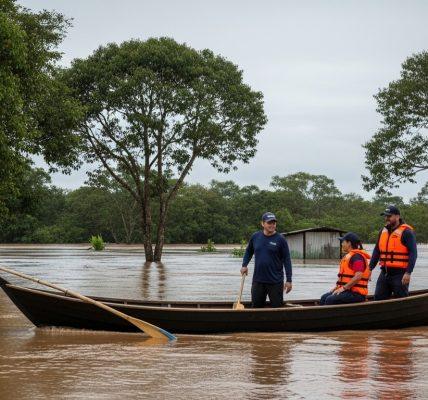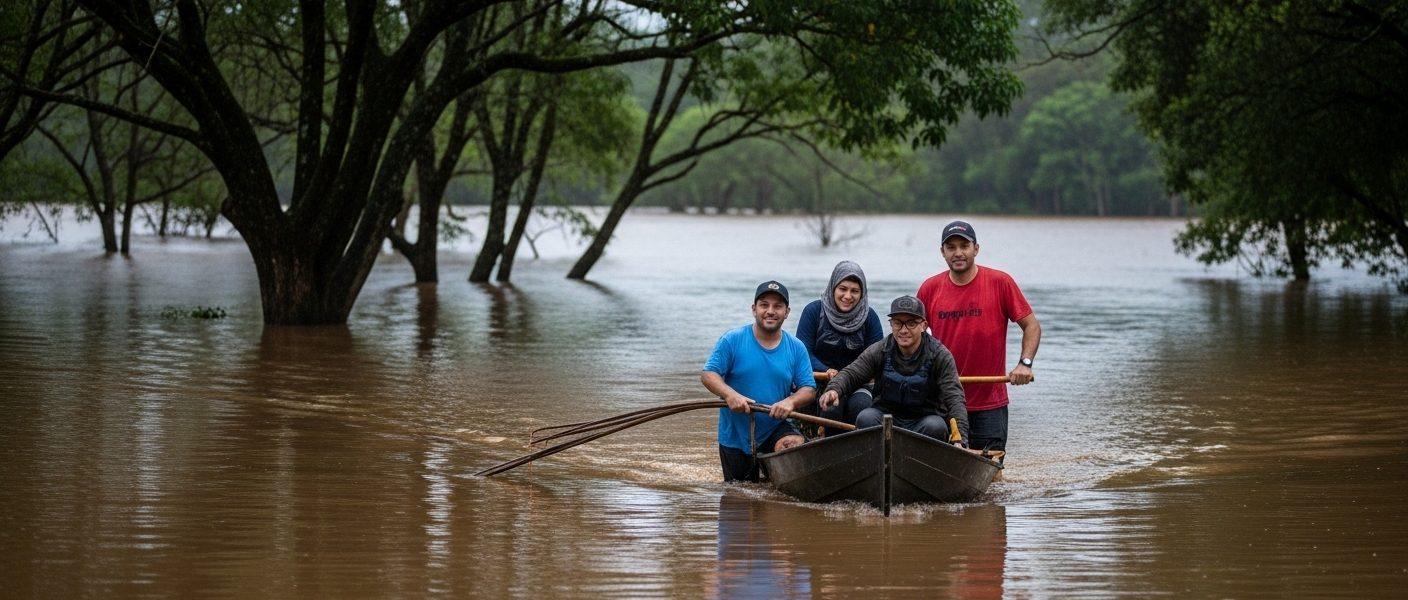
Recent analyses warn that floods Outdoor Activities Brazil are redefining risk landscapes for campers, as Brazil’s rivers swell with seasonal rains and climate variability intensifies. The trend is not just about soggy tents; it reshapes planning, gear needs, and response protocols across popular camping corridors from the Atlantic forest to the Cerrado and beyond.
Context and Risk for Outdoor Activities in Brazil
Brazil sits at a geographic crossroads where tropical storms, cold fronts, and monsoon-like systems converge. In many regions, heavy rainfall events are becoming more concentrated in shorter periods, generating flash floods that catch hikers and campers unprepared. Deforestation, urban expansion, and altered drainage patterns amplify runoff, increasing the likelihood that rivers and streams rise quickly after rain. For the outdoor community, this translates into a shifting risk calculus: a campsite that felt safe last year may now lie within a floodplain, and a familiar trail can become hazardous when upstream rainfall intensifies upstream water levels downstream. The consequence is not merely inconvenience; it can be life-critical when campers must improvise shelter, navigate slick terrain, or retreat from rising waters while carrying gear and supplies.
Beyond immediate danger, floods alter how outdoor groups plan trips. Seasonality, once a rough guide, now requires real-time monitoring of multiple data streams—precipitation forecasts, river gauge data, and local advisories. The result is a need for greater contingency thinking: alternative routes, backup campsites on higher ground, and explicit go/no-go criteria tied to cumulative rainfall and flood warnings. For Brazil’s growing outdoors economy—camping, trekking, rafting, and ecotourism—resilience becomes a product of awareness, access to information, and willingness to adjust plans in the face of uncertainty.
Regional Impacts on Camping and Routes
The Southeast and parts of the Atlantic forest belt have seen notable flood events during the rainy season. In these zones, rivers carve through valleys that host several established campsites and trekking routes. When rains intensify, river crossings can become dangerous or impossible, and campsites may flood or erode, forcing last-minute changes to itineraries. In remote or less-traveled areas, logistical delays compound risk: rescue teams may take longer to reach stranded hikers, and communications can be unreliable where networks are weak or non-existent.
In contrast, flood-prone landscapes such as Pantanal floodplains and parts of the Amazon basin reveal a different kind of planning challenge. Seasonal inundation reorganizes accessibility, turning dry trails into water-logged routes and shifting the usable distance between shelter and emergency exits. Outdoor operators and local guides increasingly design trips with fluid timing, offering flexible day-by-day plans that can adapt to water levels, weather windows, and the presence of active floodplains. The shared lesson across these regions is that risk is not a fixed condition but a moving target that requires continuous situational awareness and local knowledge.
Gear, Planning, and Safety for Flood-prone Terrain
Prepared campers approach flood-prone terrain with a three-layer framework: awareness, equipment, and adaptation. First, awareness means knowing the local hydrology, listening to early warning signals, and respecting posted advisories. It also means having a printed or offline map of nearby higher ground and potential shelter sites in case river levels rise rapidly. Second, equipment must be chosen for resilience. That includes waterproof, sealed backpacks, robust tents with reliable guy lines and storm pegs, ground sheets that protect against damp ground, and dry bags for electronics and clothing. Lighting, cooking equipment, and navigation gear should be kept in waterproof cases, and a portable power bank or satellite communicator can be a lifeline when networks fail. Third, adaptation is essential: pre-pack emergency kits, rehearse quick shelter setups in moderate rain, and practice safe water-crossing techniques under supervision before venturing into more remote areas.
Practical planning also means route diversification and real-time flexibility. Campers should identify alternative campsites on higher ground and plan two or three day-by-day options in case water levels alter the original route. Weather-monitoring habits—checking forecasts 72 hours ahead and revisiting daily—reduce the likelihood of getting caught in sudden flood events. It is also prudent to coordinate with local guides or park rangers who know the terrain and can advise on current hazards, closures, or access restrictions.
Actionable Takeaways
- Check long-range and short-range forecasts for the specific region you plan to visit, and set explicit go/no-go criteria tied to rainfall and river levels.
- Avoid camping near riverbanks, floodplains, or low-lying depressions that collect water after heavy rains.
- Carry waterproof bags, a seam-sealed tent, and a compact shelter alternative in case your primary campsite becomes unusable.
- Equip with offline navigation tools, a satellite messenger or PLB, and share your itinerary with a trusted contact before departure.
- Plan flexible itineraries with multiple exit routes and higher-ground shelter options; rehearse emergency procedures with your group.
- Travel with a partner or small group and establish a buddy system for river crossings and rapid-weather decisions.
- Respect local advisories and closures; prioritize safety over schedule, and be prepared to abandon plans if conditions deteriorate.
- Practice Leave No Trace principles even when conditions are challenging to minimize environmental impact during evacuations or temporary campsite shifts.
Source Context
Selected sources offering data and guidance on floods and outdoor safety in Brazil: