Updated: March 16, 2026
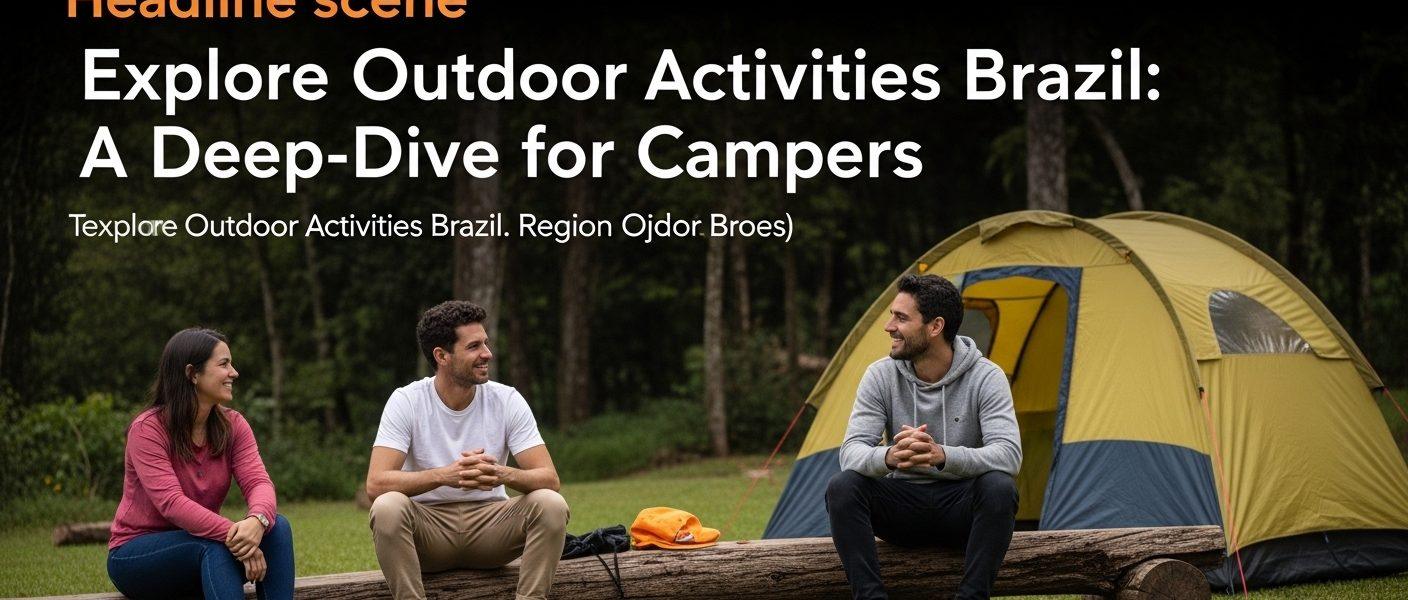
For the avid camper, an invitation lingers in the air: explore Outdoor Activities Brazil is less a slogan and more a map—one that threads through a nation of biomes, cultural crossroads, and evolving rules about how we use wild spaces. This piece offers a grounded, data-informed read on how Brazil’s outdoor scene is evolving, what that means for planning trips, and how a careful and collaborative approach can expand opportunities without compromising conservation or local livelihoods.
Context: Brazil’s outdoor landscape and the camping renaissance
Brazil’s outdoor appeal rests on a remarkable mosaic: the rainforests of the Amazon and Atlantic Forest, the arid savannas of the Cerrado, the wetlands of the Pantanal, and the highland plateaus of Serra da Mantiqueira. Over the past decade, increased domestic interest in nature-based recreation has followed urban migration, climate resilience discourse, and the growth of community-led trail networks. This convergence creates a paradox: more people want access to wild places, but the very openness of these places raises questions about carry capacity, ecosystem health, and the rights and needs of neighboring communities. For campers, the practical upshot is that availability is expanding in some corridors—new camping zones near protected areas, improved trail signage, and digital platforms that consolidate permits and advisories—while other areas tighten access to reduce stress on fragile habitats.
From a policy perspective, Brazil’s diversified governance—federal, state, and municipal authorities—produces a patchwork of rules. In some regions, daylight access to parks is straightforward, while others require advance reservations, guided tours, or restricted camping zones. The pattern is not random; it reflects ecological sensitivity, local governance capacity, and the presence of informal economy actors who support or challenge outdoor access. For a long-distance camper or a weekend forest seeker, the implication is clear: success depends on local intelligence—regional guides, visitor centers, and the ability to adapt to changing conditions on the ground.
Infrastructure, safety, and planning in 2026
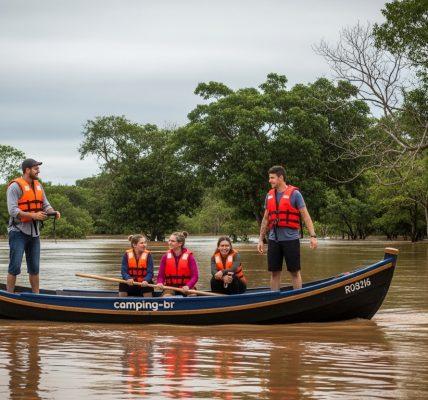
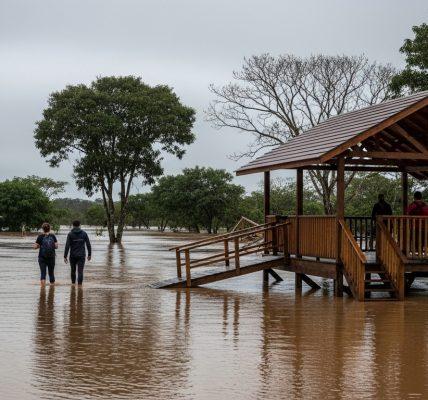
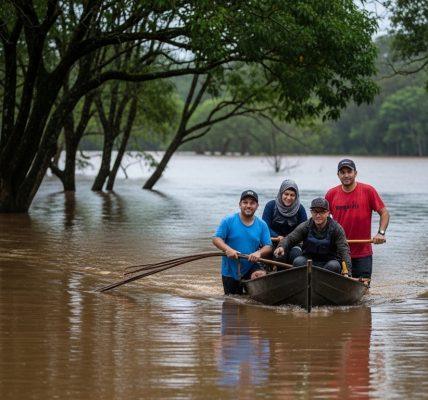
Access infrastructure—roads, signage, emergency services—shapes the feasibility of both short trips and longer expeditions. In more developed pockets of the country, trailheads are better marked, and weather data is more accessible, but remote areas still pose risks: sudden storms, flash floods in river corridors, and the challenges of navigating diverse terrain with limited cell coverage. Campers must treat planning as a core part of safety: pre-check weather models, map alternate exits, and share itineraries with trusted contacts. The social fabric surrounding outdoor recreation also matters. Local guides, outfitting shops, and community rangers frequently provide essential knowledge about seasonal closures, protected status, and best practices for minimizing human impact in sensitive zones.
Safety considerations extend beyond personal risk. Community dynamics—especially in forest and river environments—can influence the experience. In some regions, informal camping may intersect with wildlife conservation zones or indigenous territories. Responsible travelers seek clear guidance from official portals and licensed operators, practice Leave No Trace principles, and avoid attempting to “outsmart” park rules. These actions are not merely legal compliance; they are a signal of commitment to a sustainable recreation economy that can support local livelihoods and conservation efforts over the long term.
Gear, routes, and community-driven exploration
The practical toolkit for exploring outdoor activities in Brazil has grown more sophisticated, even as it’s tied to local realities. Lightweight, modular gear remains essential for shifting climates—from humid lowlands to dry plateaus. The most valuable equipment is often the simplest: a reliable shelter, a compact stove, a durable hydration system, and layered clothing for rapid weather changes. The choice of routes matters as much as the gear. International and domestic travelers increasingly combine multiple ecosystems in one itinerary—trekking segments through chapadas and highland trails, punctuated by river crossings or canoe days in floodplain landscapes. Guides and local clubs play a crucial role here, curating safe access to trails that may require prior notification or seasonal restrictions, and offering cultural context that enriches the experience beyond rote sightseeing.
Community-driven exploration influences both the quality of the experience and its sustainability. Local leaders, conservationists, and small businesses collectively shape what is possible—shopkeepers who rent kits, rangers who enforce seasonal closures, and regional associations that promote certified routes. For campers, the takeaway is clear: prioritize guidance from trusted operators, respect cultural norms and protected statuses, and contribute to local economies by choosing community-based services when available. As a result, the act of camping becomes a collaborative practice—one that supports maintenance of trails, clean-up efforts, and the ongoing education of new participants about Brazil’s natural heritage.
Policy, conservation, and the future of outdoor exploration in Brazil
Policy debates surrounding outdoor recreation in Brazil are increasingly framed by conservation imperatives and community benefits. Protected areas, buffer zones, and ecotourism initiatives are designed to mitigate ecosystem stress while enabling people to experience nature in meaningful ways. The tension between access and preservation is most visible where urban expansion intersects with remote landscapes, or where river systems and wetlands face pollution and sedimentation pressures from upstream activities. In this context, successful exploration hinges on transparent governance, credible data on carrying capacity, and consistent enforcement of guidelines that protect both wildlife and visitors. For campers, this translates into a practical ethic: engage with local stewardship efforts, follow official advisories, and support initiatives that address both ecological integrity and community resilience.
Looking forward, climate variability will shape seasonal windows for camping and trekking. Dry seasons may open longer stretches in open landscapes, while wet seasons can transform river corridors into dynamic, rapidly changing routes. Flexibility, local knowledge, and diversified planning become essential. The most resilient campers will pair robust gear strategies with adaptive itineraries, allowing for quick pivots as conditions evolve—without sacrificing safety or ecological respect. In short, the future of exploring outdoor activities in Brazil rests on balancing curiosity with care, drawing strength from community networks, and treating every trip as an inquiry into the country’s living landscapes rather than a simple snapshot of sights.
Actionable Takeaways
- Plan with local partners: consult regional guides or park authorities before your trip to understand seasonal access, permits, and campsite rules.
- Pack for variability: multi-layer clothing, a versatile shelter, and a compact emergency kit are essential across Brazil’s biomes.
- Prioritize conservation: adopt Leave No Trace practices, respect wildlife distances, and participate in or support local trail maintenance efforts.
- Use credible information sources: rely on official portals and licensed operators for route suggestions and safety advisories.
- Prepare for data gaps: download offline maps and share trip plans with a trusted contact, especially for remote regions with limited cell coverage.