Updated: March 16, 2026
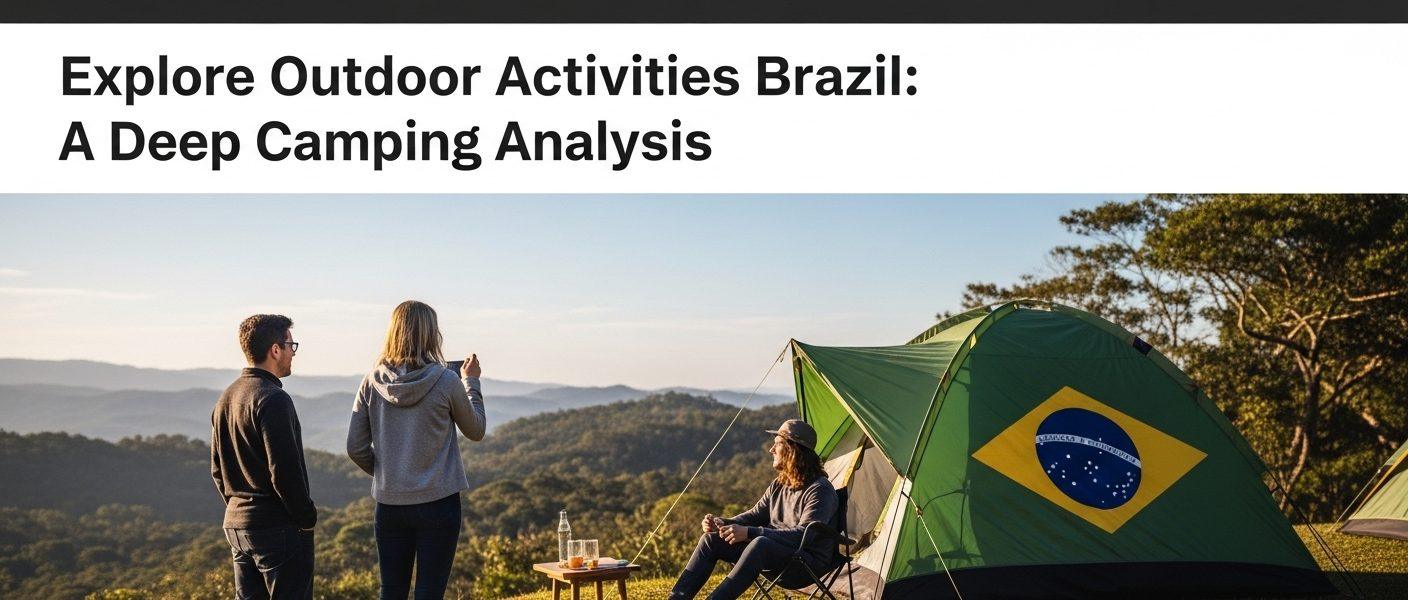
As Brazil’s landscapes beckon, this piece invites readers to explore Outdoor Activities Brazil, examining how campers, hikers, and paddlers plan, endure, and connect with nature across the country’s diverse ecosystems. The emphasis is on practical insight grounded in current realities—seasonality, access, and community-led stewardship shaping how outdoor traditions unfold across the region.
Understanding the Brazilian Outdoor Landscape
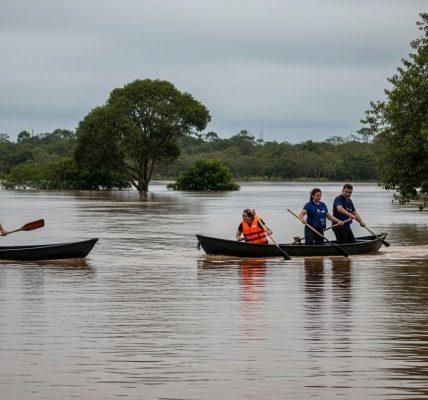
Brazil spans vast climatic zones—from humid Amazonian rainforests to the arid Cerrado and the cooler highlands of the south. This diversity creates a rich palette of camping opportunities, each with distinct planning needs. In the Amazon basin, wet season dynamics, river access, and wildlife considerations underscore the importance of local guides, permits, and respect for indigenous territories. In the Pantanal, water levels swing with the seasons, shaping wildlife viewing and safety by boat or on foot along riverbanks. Along the Atlantic Forest remnants, trails frequently pass through protected reserves where camping rules balance access with conservation. Coastal zones offer dunes, mangroves, and beach camping, yet tides, storms, and coastal erosion demand careful timing and local awareness.
Beyond geography, cultural practices shape outdoor life. Indigenous, riverine, and rural communities maintain generations of knowledge about land use, weather patterns, and safe travel corridors. This context matters for anyone looking to responsibly explore Brazil’s outdoors, ensuring experiences that benefit travelers and hosts alike.
Gear, Safety, and Accessibility in Remote Campgrounds
Practical camping in Brazil starts with robust gear that matches the terrain and climate. Lightweight, weather-sealed tents, insect screens, and efficient hydration systems reduce exposure to rain, humidity, and biting insects. A compact water filtration method, a compact stove, and a reliable navigation device are essential for riverine and forested settings where services are limited. In coastal and riverine zones, weather can shift quickly; always have wind resistant layers, sun protection, and spare batteries for devices. Packing multisource lighting, a first aid kit suited to regional hazards, and a repair kit for gear increases resilience on longer expeditions.
Safety considerations include river currents, wildlife near campsites, and the need for permits in protected areas. Local guides can provide hazard assessment, navigation within trails, and culturally appropriate conduct. Accessibility for campgrounds varies: some sites require access roads, boat transfers, or permit reservations, particularly during peak seasons. A practical planner builds in buffer days, keeps flexible routing, and respects local rules, community guidelines, and seasonal advisories.
Regional Clusters: Pantanal, Cerrado, Atlantic Forest, and Coastal Trails
Several regional clusters stand out for campers and hikers. The Pantanal presents world-class wildlife viewing but demands planning around flood cycles, river access, and community-run camps. The cerrado offers rolling savannas, open skies, and dry season camps where water sources and fire safety shape itineraries. The Atlantic Forest corridor preserves biodiversity in pockets near major cities, with trails crossing private reserves and small communities; travelers should respect access rules and contribute to conservation efforts. Coastal trails blend wind, surf, and dune ecosystems, with beach camping that can be affected by tides and erosion. Across these regions, successful trips hinge on local guidance, weather awareness, and a commitment to minimize environmental impact and cultural disruption.
Sustainability and Community Involvement
There is a growing emphasis on sustainable camping and community-based tourism across Brazil. Visitors are encouraged to minimize waste, use biodegradable products, and leave campsites as found or cleaner. Supporting local guides, Brazilian-owned operators, and conservation projects helps ensure that outdoor economies benefit residents and foster stewardship. In practice, this means booking through reputable operators, following Leave No Trace principles, and avoiding sensitive zones during breeding seasons or in protected areas. The broader trend points toward an Brazil where exploration and conservation can coexist if travelers commit to informed planning, ethical behavior, and long-term partnerships with local communities.
Actionable Takeaways
- Plan around seasonality and river flow: verify access, permits, and route options with local operators before departure.
- Choose designated campsites or community-run sites and practice Leave No Trace to protect biodiversity and local livelihoods.
- Packing should include adaptable clothing and gear for humidity and sudden weather changes; carry water treatment and a map or GPS device.
- Engage local guides and communities to learn safe trails, wildlife etiquette, and culturally appropriate practices.
- Support eco-tourism initiatives that reinvest in communities while prioritizing habitat conservation and safety.