Updated: March 16, 2026
For audiences seeking to explore Outdoor Activities Brazil, the path is not simply about checking gear; it is about reading the country’s vast biomes, conservation priorities, and local cultures that shape when and where you can camp, hike, paddle, or climb. This analysis weighs how climate, policy, and community-led initiatives interact to define practical routes for weekenders and long-haul explorers alike, offering a framework to plan responsibly while still pursuing the thrill of the outdoors in a country whose landscapes range from jungle to highland plateau.
Ecosystem diversity and practical implications for campers
Brazil’s outdoor canvas spans the Amazon basin, the Pantanal wetlands, the cerrado savannas, the Atlantic Forest fringe, and dramatic coastal dunes. Each zone presents distinct constraints and opportunities for camping. In the Amazon, access is often governed by protected areas, river-based travel, and seasonal flood cycles that dictate when trails are navigable and when campsites are feasible. In practice, this means partnering with licensed guides, adhering to park rules, and prioritizing low-impact camping that minimizes wildlife disturbance. The Pantanal, by contrast, rewards early planning around seasonal dry spells when boat-based excursions and floating camps are most reliable, but it also demands vigilance for insect-borne disease and wildlife encounters. Across the cerrado and Atlantic Forest edges, weather windows—often tied to the austral winter and shoulder seasons—create bursts of activity, from remote hikes to scenic river campsites. The common thread across these biomes: success hinges on entering with local knowledge, respecting traditional management practices, and choosing sites that balance accessibility with ecological stewardship.
Access, safety, and seasonal windows
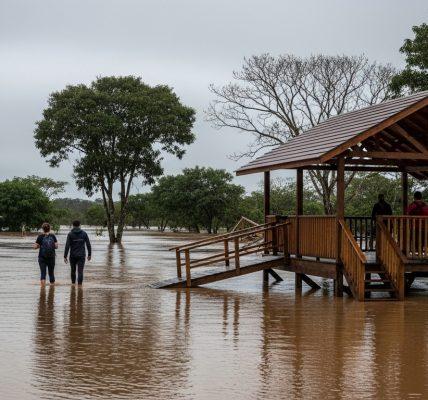
Access to Brazil’s outdoor landscapes is increasingly shaped by regional governance, park-by-park regulations, and community-run campgrounds. Safety considerations extend beyond weather: river currents, flash floods in floodplains, and ferries or boat transfers in remote regions add logistical risk that benefits from local guidance. The rainy season in the Amazon and Pantanal can transform routes within days, while the dry season may shift reservoir levels and trail conditions. For campers, this means building a flexible itinerary, carrying appropriate rain gear, conserving water, and carrying basic navigation tools. When planning, prioritize areas with established safety briefings, exit routes, and transparent permit regimes, and avoid isolated locations during peak migratory periods when local emergency response networks are stretched. A pragmatic approach treats climate variability not as a nuisance but as a defining factor in choice of destination, travel pace, and the equipment list you bring to the field.
Economic and community dimensions of outdoor recreation
Outdoor activity in Brazil increasingly intertwines with local economies, conservation funding, and knowledge transfer. Community-managed campsites and guided treks can offer more stable income for rural families and greater accountability for environmental outcomes. Yet, the expansion of camping and ecotourism also raises questions about land rights, cultural respect, and the balance between economic development and forest preservation. Responsible campers, therefore, engage with local organizations, seek certified operators, and allocate spending to initiatives that fund habitat restoration, anti-poaching efforts, and community education. The broader signal is clear: outdoor recreation is not just an arrival at a scenic vista; it is an ongoing dialogue about how Brazilians steward their landscapes for future generations, even as demand for trails and riverside sites continues to grow.
Actionable Takeaways
- Plan with licensed guides and respect park and reserve rules to protect fragile habitats.
- Check permit requirements or access fees before arrival and keep documentation accessible.
- Choose community-run campsites to support local livelihoods and learning opportunities.
- Follow Leave No Trace principles, minimize campfire impact where allowed, and pack out all waste.
- Prepare for regional weather, ensure navigation backups, and know local emergency contacts.
- Respect wildlife and cultural norms, and travel with flexible plans to adapt to seasonal changes.
Source Context
For background on broader travel and tourism dynamics impacting Brazil, consider the following sources:
- Travel And Tour World: Explore Brazil visa-free in 2026
- Investopedia: 6 Hidden Gems in Brazil That Make for a Truly Peaceful Retirement
- Portugal Resident: Brazilian habits worth adopting in Portugal
From an editorial perspective, separate confirmed facts from early speculation and revisit assumptions as new verified information appears.
Track official statements, compare independent outlets, and focus on what is confirmed versus what remains under investigation.