Updated: March 16, 2026
The Brazilian outdoors offer a rich tapestry of ecosystems, communities, and practical challenges for campers. As demand for accessible escapes grows, this piece invites readers to explore Outdoor Activities Brazil, weighing how terrain, seasonality, and local rules shape what a successful weekend or longer trip looks like across the country.
Context and Trends
Across Brazil, the appeal of camping intersects with vast ecological variety — from the wet corridors of the Amazon to the dry plateaus of the Cerrado and the forested slopes of the Atlantic Forest. This diversity creates multiple entry points for outdoor enthusiasts, yet it also compounds risk: infrastructure varies widely by region, park administration can shift with political realities, and weather patterns can swing dramatically between microclimates. In recent years, domestic travel and ecotourism initiatives have accelerated in many states, highlighting a shift toward community-based experiences and lower-impact camping practices. For the pragmatic camper, the trend is not simply about choosing a scenic spot, but about aligning expectations with local realities—permits, accessibility, waste management, and respect for Indigenous lands and traditional use areas.
The practical upshot is clear: a successful outing hinges on deliberate planning, not just desire. In coastal states, beach access and riverine camps draw weekend explorers; in interior regions, protected parks offer more challenging treks and longer backcountry routes. Either way, the responsible camper should anticipate seasonal shifts, road conditions, and the need for local guidance when venturing into more remote ecosystems. The result is a camping culture that rewards preparedness, sustainability, and cultural sensitivity as much as rugged scenery.
Practical Pathways for Campers
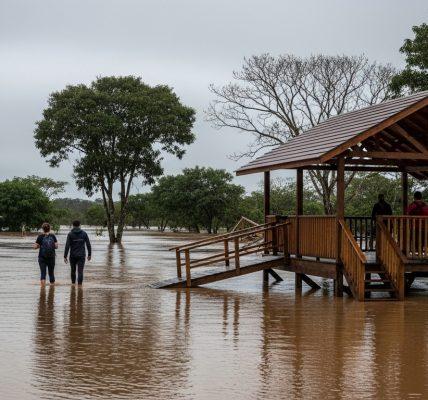
For those aiming to maximize safe access to Brazil’s outdoors, several practical pathways emerge. First, map out seasonal windows that suit each ecosystem. The southern regions often experience cooler, drier winters, while the Amazon basin remains humid and flood-prone in many areas for large parts of the year. Second, identify entry points that pair transportation feasibility with conservation objectives—regional parks, community-run camps, and certified ecotourism sites tend to balance access with stewardship. Third, understand permit regimes. Some parks require advance registration or a local guide, while others permit day-use camping with minimal bureaucracy. In all cases, pack with a Leave No Trace mindset: compact gear, refillable containers, and a plan for waste management that avoids leaving residue in delicate habitats.
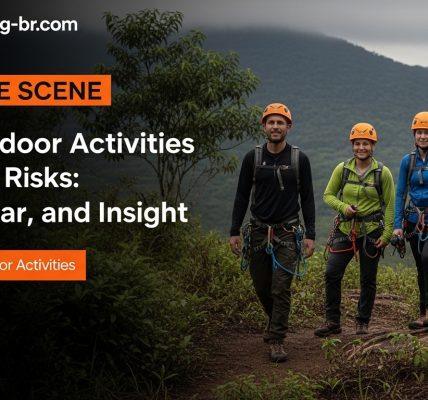
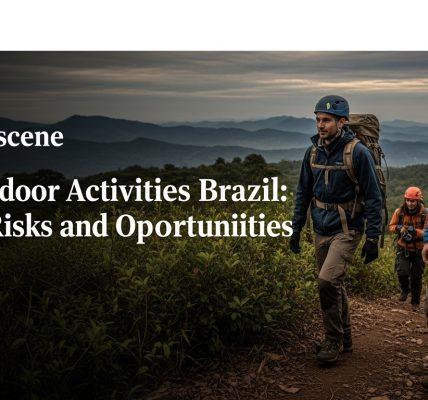
Gear choices matter as much as method. Lightweight tents and modular hammocks suit quick transitions between riverine sites and ridge camps. Water safety is essential in many regions; bring a reliable purification method, and know where potable sources are officially designated. Insects, heat, and wildlife require preparation: long sleeves for jungle margins, high-SPF sunscreen for sun-exposed paths, and food storage to deter wildlife. Navigation benefits from a charged GPS device and offline maps; cellular coverage may be sporadic, especially in forested or remote areas. Finally, leverage local knowledge. Guides, rangers, and small operators can provide region-specific safety briefings, cultural context, and route options that reduce ecological impact while enriching the experience.
Scenarios for the Brazilian Campsite
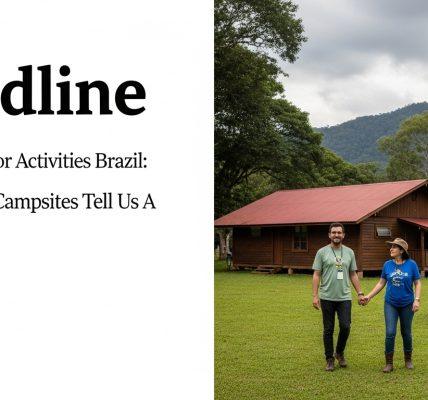
Three illustrative scenarios help frame decisions camper-by-camper. First, a coastal Atlantic forest excursion near a city offers short, accessible hikes and riverbank camping with strong municipal support and established trail networks. This scenario favors flexible itineraries, predictable weather windows, and infrastructure such as campgrounds and ranger stations, reducing the learning curve for first-time campers.
Second, a highland Cerrado excursion emphasizes panoramic views, savanna-fluid ecosystems, and more significant water planning. Here, seasonal rainfall dramatically affects road viability and camp choices, making a multi-day plan with contingency shelter critical. This environment rewards longer-range planning and a readiness to adjust routes for safety and ecological sensitivity.
Third, an Amazonian-edge river trip underscores complexities around rainforest navigation, river traffic, and protected-area boundaries. It demands rigorous permits, regional guides, and respect for community-led conservation efforts. While the reward is immersion in one of the world’s most biodiverse frontiers, travelers must prioritize safety, culturally appropriate conduct, and strict waste management to minimize downstream impacts.
Sustainability and Local Impact
Outdoor activity in Brazil is inseparable from local economies and stewardship. Ecotourism agendas emphasize community participation, transparency in operator practices, and environmental safeguards that protect biodiversity and water quality. Campers should favor operations that employ local guides, support conservation projects, and implement clear waste-management practices. The long-term viability of outdoor recreation depends on decisions made at the campsite: choosing sites with robust waste protocols, adhering to fire regulations where applicable, and avoiding microhabitat damage on fragile slopes or riverbanks. Education about wildlife interactions, invasive species prevention, and respect for Indigenous and traditional territories helps anchor camping in a broader, responsible-use framework rather than a one-off thrill ride. When communities lead the effort, the experiences are more resilient and culturally enriched, with economic returns that support conservation funding and local infrastructure improvements that benefit both residents and visitors.
Actionable Takeaways
- Plan region-by-region: align your itinerary with local weather patterns, accessibility, and permit requirements rather than chasing a single ideal season.
- Choose responsible sites: prioritize parks, community camps, and ecotourism operators with clear conservation practices and local consultation.
- Pack smart, pack light: bring compact shelter, purification for water, and non-perishable food to minimize waste and reduce environmental impact.
- Practice Leave No Trace: minimize campfire use, manage waste properly, and respect wildlife and vegetation, especially near river corridors and fragile ecosystems.
- Engage local knowledge: hire trained guides when exploring backcountry or unfamiliar regions; follow their safety briefings and cultural guidelines.
- Plan for safety and health: carry first-aid gear, know evacuation routes, and have contingency plans for sudden weather changes or remote areas.
Source Context
For readers seeking background on policy shifts, regional development, and market signals that influence outdoor travel in Brazil, the following sources provide contextual frames rather than definitive instructions. They highlight the broader environment in which camping and outdoor activities are evolving.
- Visa-free travel overview for Brazil in 2026 — policy context affecting traveler entry and regional mobility.
- Urban development and water treatment in Brazilian interiors — regional development signals shaping access to outdoor spaces.
- Brazilian interior city advances with major water filtration milestone — implications for camping accessibility and safety.