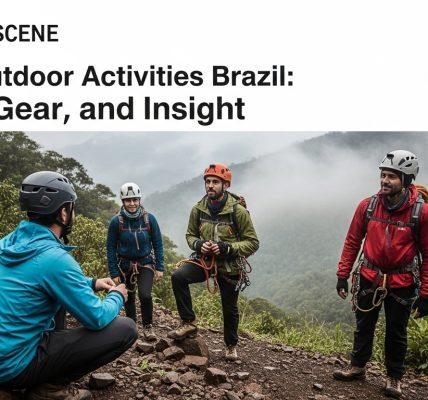
For Brazil-loving campers, the idea of brazil Outdoor Activities Brazil is evolving beyond weekend barbecues and improvised campsites. This analysis looks at how climate, infrastructure, and local policy align to expand or constrain outdoor recreation across Brazil’s diverse landscapes.
Context and Trends in Outdoor Activities
Domestic travel within Brazil has surged as more households seek nature-based getaways that combine affordability with scenery—from the Atlantic forest littoral to the Pantanal wetlands and the arid backlands of the sertão. The growth of camping as a staple, plus the rise of community-run camps and gear rental platforms, signals a shift from casual day trips to multi-day outdoor experiences. In parallel, Brazilian travel media and regional tourism boards are reframing outdoor activities as viable, seasonal, and family-friendly, not merely risky adventures. For campers and operators, this means a larger potential market but also a greater need for reliable information, safety norms, and quality infrastructure.
Visitors and locals alike increasingly expect networks of safe access points, clear signage, and environmental stewardship programs. This has led to the emergence of mapped trails, designated camping zones in state and federal parks, and partnerships with local communities to provide guides, meals, and cultural experiences that respect ecosystems. The trend aligns with broader global patterns of ecotourism and sustainable travel, yet the Brazilian context brings unique considerations around biodiversity, land tenure, and climate variability.
Climate, Accessibility, and Camping Realities
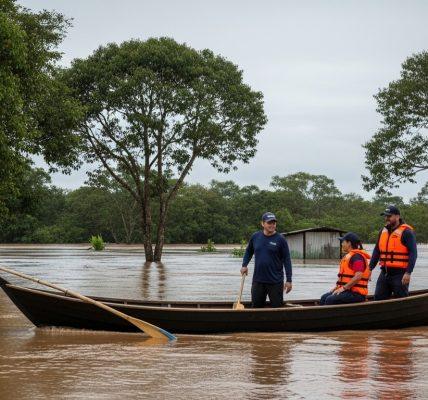
Brazil’s vast geography creates a mosaic of camping realities. The north and central regions contend with high humidity, intense heat, and seasonal downpours that can both enrich and complicate outdoor stays. In the interior and southern extremes, temperature swings are more pronounced, offering cooler nights but requiring different equipment. For campers, this means selecting sites with shade, reliable water sources, and clear fire rules. In urban-to-rural transitions, accessibility remains a major hurdle: some prime natural areas sit behind rough roads, limited public transport, or restricted hours in peak season. These frictions shape who camps where and how long, with pragmatic decisions about car camping versus guided treks often becoming the difference between a weekend escape and an abandoned plan.
Infrastructure matters just as much as weather. Public campgrounds may be basic yet safer and better regulated than informal spots, while private lodges or eco-resorts can offer amenities that attract families but also raise price points. For the outdoor market, the balance between rugged authenticity and predictable services dictates product development—more durable gear for heat and humidity, water filtration options, and portable shade that fits Brazil’s varied terrains.
Policy, Community, and Responsible Recreation
Land-use policies influence where and how Brazilians can practice camping and other outdoor activities. In many protected areas, official permitting processes and designated campsites help minimize environmental impact but can also constrain spontaneous trips. Community organizations increasingly coordinate with park authorities to train volunteers, host cleanups, and promote Leave No Trace principles. This collaborative approach can expand access while safeguarding fragile ecosystems such as the Amazon and the Cerrado, where fragile soils and high biodiversity demand careful management.
Responsible recreation is becoming a shared responsibility among campers, local guides, park staff, and tourism operators. Clear guidelines on campfire restrictions, waste disposal, wildlife interactions, and nighttime noise help reduce conflicts with wildlife and neighboring communities. Advertisers and providers are learning to present accurate expectations about conditions, including seasonal heat, rainfall, and accessibility, so travelers can make informed decisions before arriving.
Actionable Takeaways
- Plan with climate and season in mind: research heat, humidity, and rainfall for your chosen region, and pack accordingly with hydration, sun protection, and rain gear.
- Prefer permitted campgrounds or community-run sites to ensure safety, waste management, and local-benefit sharing.
- Respect local rules on campfires, waste, and wildlife; follow Leave No Trace practices to protect fragile ecosystems.
- Support local guides and small businesses to keep tourism benefits within communities while gaining authentic insights and safer experiences.
- Carry maps or offline navigation, share your itinerary, and have emergency contacts for regional parks and medical services.