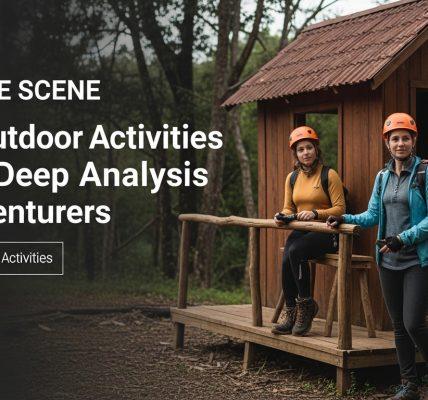
brazil Outdoor Activities Brazil is no longer a fringe pastime but a defining lens for how people explore the country’s diverse landscapes, from Amazonian rivers to Cerrado plains and Atlantic forest coastlines. This evolution is reshaping how Brazilians and visitors plan trips, with camping, hiking, and micro-adventures moving into the mainstream conversation about travel lifestyles, local economies, and environmental stewardship.
Brazil’s Outdoor Activities Landscape: Trends and Realities
Across urban and rural spaces, demand for outdoor activities has shifted from occasional weekend getaways to more deliberate, season-spanning plans. Families are trading conventional hotel stays for family-friendly campsites that offer shade, water access, and simple cooking facilities. Young travelers increasingly seek multi-day itineraries that blend trail time with community encounters, emphasizing safety and sustainability over mere novelty. This shift is not isolated to coastal towns; inland regions are building campgrounds near rivers, lakes, and protected reserves to accommodate weekenders and long-haul trekkers alike.
Analysts point to a set of converging drivers: the enduring appeal of nature-centric experiences, rising costs in traditional lodging, and a growing literacy around outdoor ethics. Tourism operators report that visitors frequently arrive with a basic skill set—how to set up a tent, minimize waste, and respect wildlife—yet many still require guidance on local regulations, fire safety, and weather contingencies. In this context, outdoor events and regional festivals have become platforms to showcase trails, gear, and services, helping communities convert curiosity into repeat visitation while supporting small businesses and conservation efforts.
The broader narrative hinges on regional accessibility. In places with robust road networks and established camping zones, the experience can feel orderly and predictable. In more remote ecosystems, however, the encounter is unpredictable: weather shifts, river levels, and wildlife activity all influence day-to-day decisions. The result is a nuanced ecosystem where campers learn to balance spontaneity with preparation, and local operators contend with the realities of maintaining facilities in variable climates while preserving the ecological integrity that draws visitors in the first place.
Infrastructure, Safety, and Access for Campers
Infrastructure quality—ranging from well-managed campgrounds with basic sanitation to informal sites along rivers—heavily shapes the camping experience. In regions with municipal support, parks agencies and private operators invest in safe access trails, clear signage, and waste management programs. These improvements reduce friction for first-time campers while delivering predictable services for repeat visitors. Yet, many rural corridors still lack reliable water, electricity, or even dependable shade structures, making the camping day-to-day more labor-intensive and time-consuming.
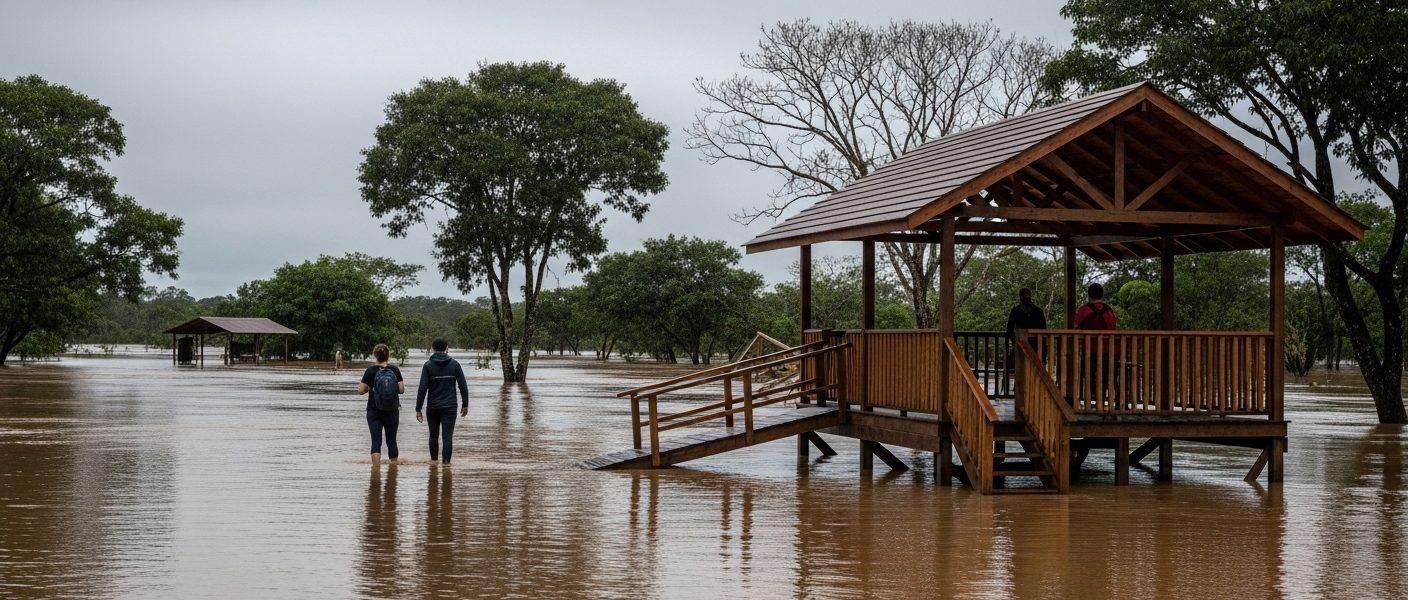
Safety remains a central concern. Weather variability, disease-preventing hygiene practices, and safe fire protocols require continuous emphasis. Operators are increasingly aligning with national and local guidelines on waste disposal, campsite maintenance, and wildlife awareness. For travelers, a practical approach is to scout campground reviews ahead of time, carry compact safety gear, and follow local advisories about fire bans, flood risks, or seasonal closures. The practical challenge is not only about enjoying the outdoors but doing so in a way that minimizes ecological footprint and respects the rights of neighboring communities and indigenous lands where camping is permitted.
Connectivity is a mixed blessing. While mobile networks improve access to maps and booking platforms, over-reliance on digital tools can obscure fragile ecosystems or marginalize those without constant connectivity. A pragmatic path forward is to combine offline planning with selective online resources, ensuring that navigation, emergency contacts, and local guidelines are accessible even where signals are weak. In many markets, gear rental and guided experiences are expanding, offering newcomers reliable entry points while enabling seasoned campers to test new routes or seasonal variations with expert oversight.
Climate Realities and Seasonal Planning
Climate realities are reframing how Brazilians approach outdoor activities. Regions prone to intense heat, humidity, or tropical downpours require adaptive planning, flexible itineraries, and thoughtful packing. The tropics deliver lush landscapes but demand hydration strategies, sun protection, and shade-aware pacing to avoid heat stress. Conversely, dry seasons can bring air and soil conditions conducive to longer treks, yet they also raise fire risk and water scarcity concerns, especially in semiarid zones where rangeland and forest health intersect with local livelihoods.
Seasonality also intersects with wildlife activity, pollen cycles, and river dynamics that influence when and where to camp. For planners, this means building margins into schedules: early starts to avoid afternoon heat, contingency stays near reliable water sources, and exit plans that accommodate sudden weather shifts. Campfires, waste management, and cooking practices must align with local regulations and ecological best practices to protect fragile habitats while ensuring a safe and enjoyable experience for families and solo travelers alike.
As extreme events become more visible in public discourse, campers increasingly view climate awareness as a core skill. This shift drives a demand for educational resources—quick guides on weather alerts, heat illness recognition, and recovery planning—shared by park services, tour operators, and conservation groups. In practice, it means that planning is as much about weather literacy as it is about gear lists, maps, or route ratings, and that successful experiences are anchored in preparedness, flexibility, and respect for the natural environment.
Community, Innovation, and Market Shifts
Community-led initiatives are at the heart of Brazil’s evolving outdoor scene. Small campsites, cooperatives, and family-owned operations often blend traditional know-how with modern safety standards, creating authentic experiences that resonate with locals and visitors. These models can drive economic benefits to rural areas, diversify tourism offerings, and foster stewardship of surrounding conservation areas. At the same time, market fragmentation—ranging from informal bivouac spots to professional ecotourism operators—presents both opportunities and challenges. For travelers, this means more options but also a need for due diligence: choose accredited facilities, read terms on site usage, and verify safety credentials and waste practices before booking.
Technology is reshaping access and education in the outdoors. Booking platforms, trail databases, and gear rental networks reduce friction for newcomers, while digital storytelling helps communities showcase their landscapes, protect sensitive habitats, and negotiate fair compensation for ecological services. However, the digital divide persists in remote zones, and ensuring inclusive access requires deliberate policy and investment in infrastructure, education, and multilingual information to serve diverse audiences.
Policy signals matter as well. Municipal programs that invest in trail maintenance, signage, and community ranger patrols create a credible safety net for campers and a more stable operating environment for businesses. In parallel, conservation regulations that balance recreation with habitat protection are essential to sustaining long-term appeals of outdoor destinations. When communities align safety, stewardship, and opportunity, the camping economy can become a durable anchor for regional development rather than a episodic attraction tied to weather windows alone.
Actionable Takeaways
- Plan with climate literacy: check regional weather patterns, heat indices, and flood risks before setting itineraries.
- Choose legitimate, well-maintained campsites and follow local fire, waste, and wildlife guidelines to minimize ecological impact.
- Balance gear with region-specific needs: adequate hydration systems, sun protection, and first-aid supplies tailored to heat and humidity.
- Support community-operated sites that adhere to safety and conservation standards, contributing to local economies and habitat protection.
- Use offline maps and go-no-go thresholds for signal-limited areas; keep emergency contacts and park regulations accessible without relying solely on apps.
- Prepare for variable access: pack flexible itineraries that can adapt to weather, road conditions, or park closures.
Source Context
- Travel And Tour World: Brazil, Germany, UAE, Spain and More Countries in the Latest Travel and Tourism News
- Brazil heat and urban resilience: a case study of extreme heat and adaptation
- Canada Joins Turkey, Australia, Brazil, South Africa, France, Italy, and More in Promoting Unforgettable Destinations