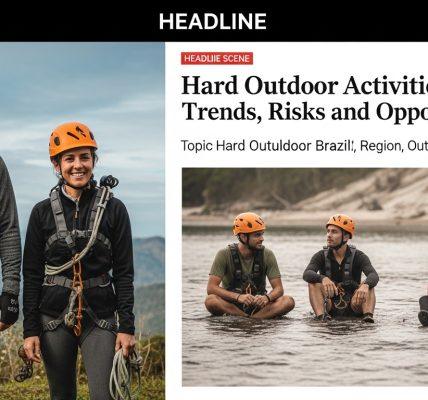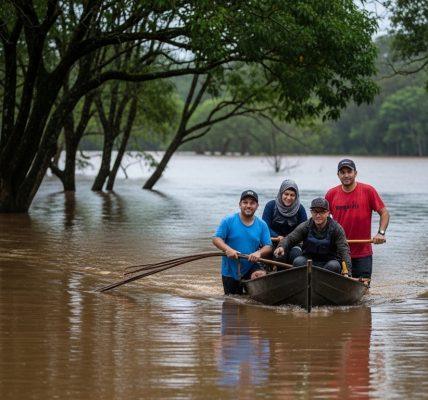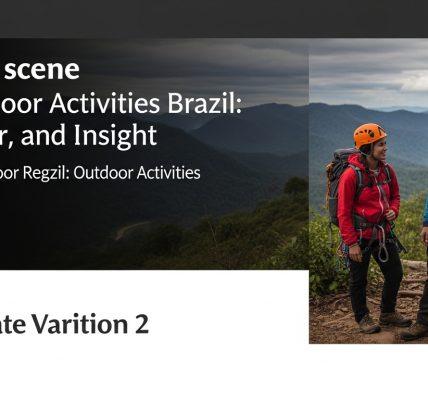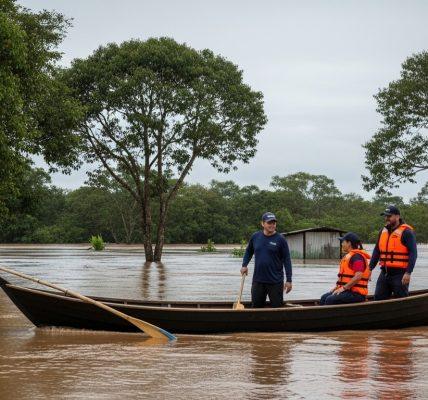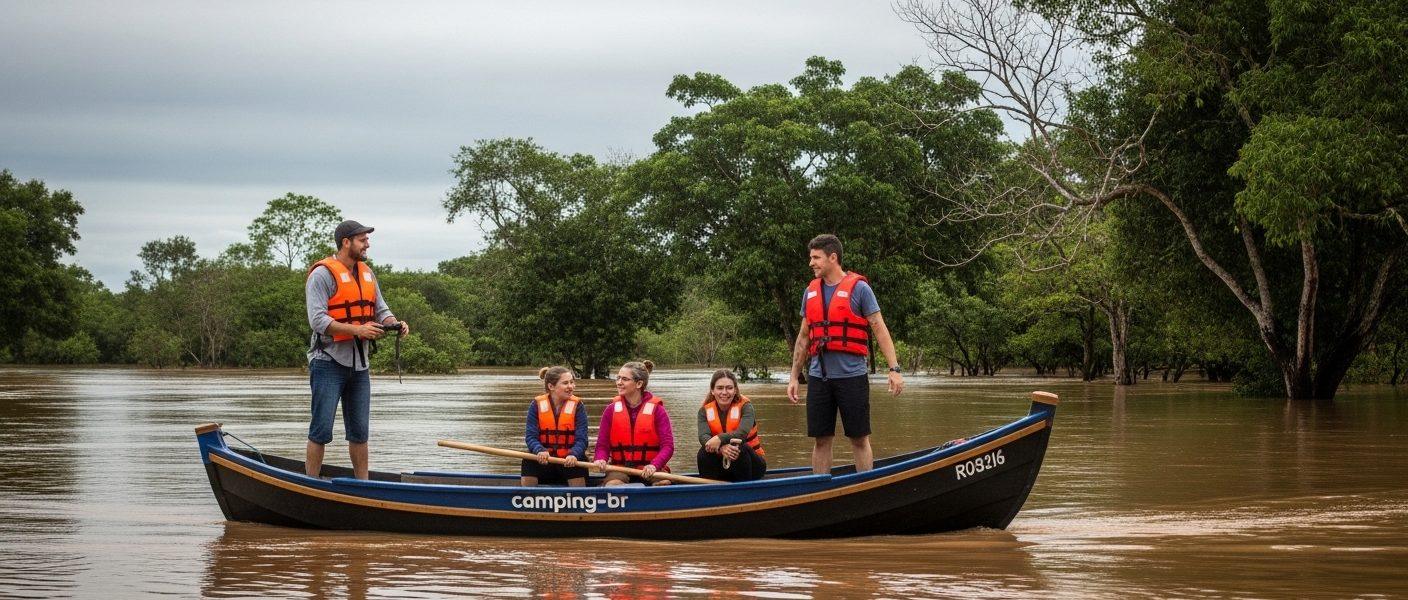
In Brazil, outdoor life is expanding beyond urban parks into forests, mountains, and riverine landscapes. For readers exploring brazil Outdoor Activities Brazil, this analysis offers a grounded, data-driven look at how campers and hikers navigate Brazil’s vast climate zones, regulatory regimes, and vibrant community networks.
Context: Brazil’s Outdoor Scene
Brazil’s vast land hosts ecosystems from the Amazon to the Atlantic Forest and the arid sertão, creating a spectrum of outdoor options. For campers, this translates into a calendar of opportunities and constraints: rainy seasons that flood trails, dry seasons that bring sun and wind, and protected areas that demand permits and careful practices. The growing number of public parks, caravan parks, and private campsites suggests a shifting landscape where responsible recreation is as important as the gear you pack.
Urban centers such as São Paulo, Rio de Janeiro, and Belo Horizonte are seeing a rise in family-friendly base-camping and weekend treks that blend urban access with wild experiences. The result is a nascent culture that treats camping as a skill to be learned, not a sporadic weekend impulse.
Risks and Preparedness in Diverse Climates
Brazil’s climate ranges from tropical heat to highland cool and arid interiors, which makes weather literacy essential. In interior regions, the heat index can climb quickly, and humidity can swing from oppressive to refreshing with a late-afternoon thunderstorm. Campers should plan for hydration, shade, and ventilation in tents, as well as sun protection for long hikes. In forested or riverine regions, mosquitoes and other biting insects are part of the daily routine, making repellents, nets, and appropriate clothing non-negotiable.
Water security and sanitation vary by area. In remote sites, travelers often rely on portable filtration, boiled water, or trusted bottled sources. Fire safety also matters: many parks impose fire restrictions during dry periods, and responsible campers avoid leaving campfires unattended. Beyond gear, having a small first-aid kit and a basic grasp of local flora and fauna can transform a minor incident into a manageable one.
Economic and Social Forces Shaping Camping
The cost of equipment and access to conserved lands influence who can enjoy outdoor activities. In Brazil, a mix of public spaces and commercial campgrounds means options exist for budget-conscious travelers and more comfortable glamping experiences alike. The growing interest in ecotourism is quietly rebalancing the relationship between visitors and communities, inviting campers to contribute to local economies by hiring guides, choosing local gear or supplies, and following site rules that protect fragile ecosystems.
Social networks and regional clubs play a vital role in knowledge dissemination. Experienced hikers translate routes, weather patterns, and safety practices into practical tips for newcomers, reducing the learning curve and lowering the risk of adverse events. As with any outdoors-centered culture, the quality of information matters: accurate trail conditions, current access rules, and respectful behavior toward land managers maximize both safety and enjoyment.
Technology and Community: Sharing Knowledge
Digital tools are transforming how Brazilians plan and execute outdoor trips. Weather apps, offline maps, and community-driven guides help hikers anticipate conditions before leaving home. Local guides, gear rental networks, and small businesses connected to park entrances often provide essential services that keep camping affordable while supporting conservation goals. The most reliable advice tends to come from people who balance passion with respect for the land, rather than from generic itineraries shared in passing online.
Actionable Takeaways
- Plan trips with regional climate calendars, and adjust itineraries for wet seasons, heat waves, and sudden storms.
- Verify park rules, obtain required permits where applicable, and hire licensed guides when exploring unfamiliar areas.
- Pack for heat, humidity, and rain: hydration systems, breathable clothing, sun protection, mosquito repellents, and reliable water treatment or filtration.
- Practice Leave No Trace: carry out trash, minimize campfire footprints, and avoid disturbing wildlife or plant communities.
- Support local economies by renting gear locally, buying supplies locally, and hiring community guides who practice sustainable tourism.
- Prepare for emergencies: carry a first-aid kit, share trip details with someone trusted, and know how to contact local authorities in the region you visit.
- Stay informed about health advisories, recommended vaccinations, and safe travel practices in remote or protected areas.
Source Context
Selected background readings informing this analysis include travel and tourism coverage from international outlets. Access the following sources for reference: