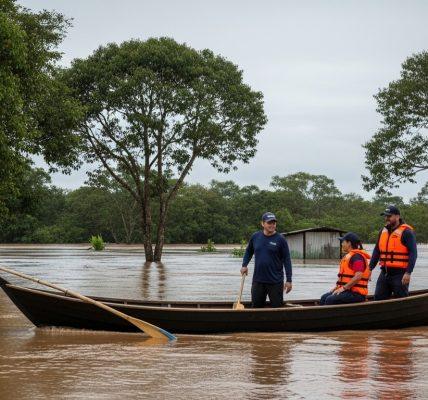
Brazil’s evolving outdoors scene is the backbone of a growing movement around camping, hiking, and coastal trail itineraries, and brazil Outdoor Activities Brazil has become a shorthand for how locals and visitors alike engage with nature, infrastructure, and regional culture. This article examines how the current moment—driven by expanding public lands, digital gear adoption, and regional tourism strategies—creates both opportunity and risk for participants across Brazil and for the communities that host them. By linking policy choices, market incentives, and climate realities, we can forecast how camping and other outdoor activities will shape rural economies, urban leisure, and conservation efforts in the coming years.
Current Landscape for Outdoor Activities in Brazil
Across Brazil, a mix of protected areas, regional parks, and private camping sites has broadened access to outdoor activities, attracting first-time campers and seasoned hikers alike. The growth is uneven: the Atlantic Forest corridor, the mountains of Serra da Mantiqueira, and the arid reaches of the Northeast offer distinct experiences, each shaped by local climate, land use, and community involvement. The trend toward modular gear, mobile apps for wayfinding, and community-based tours has lowered barriers to entry while also raising expectations for safety, reliability, and environmental stewardship. In practical terms, more Brazilians are considering multi-day stays that combine hiking segments with overnight camping, supported by informal networks of guides, small-scale lodges, and collective initiatives that emphasize cultural exchange alongside nature appreciation. Yet this expansion also intensifies pressure on fragile habitats, requires careful risk management in remote areas, and demands clearer information about legal access, permitted activities, and tenure rights. The result is a policy moment where outdoor life intersects with land-use planning, regional development, and climate resilience—precisely the kind of frictions and synergies that define how public and private actors respond to a growing demand for outdoor recreation.
Infrastructure, Safety, and Policy Impacts
Infrastructure—ranging from signage and trail maintenance to mapped campsites and basic sanitation—plays a decisive role in shaping user experience and safety. In many regions, local governments and non-governmental organizations are coordinating with land managers to create standardized information hubs that spell out permits, fire bans, water sources, and wildlife considerations. The ripple effects are tangible: improved wayfinding reduces search-and-rescue costs, while standardized safety messaging helps align expectations for hikers and campers who travel with families or groups. Policy shifts also matter. When authorities streamline access to public lands, encourage responsible camping practices, and fund ranger programs, outdoor activities become more predictable and safer for newcomers. Conversely, if permitting processes become opaque or if enforcement varies by municipality, participants may encounter inconsistent rules, leading to avoidable incidents or a chilling effect that dampens participation in areas with conservation value. The causal link is clear: governance quality directly influences participation, safety outcomes, and the sustainability of popular routes and campsites. Brazil’s regional diversity means that best practices travel unevenly, making peer learning and cross-regional cooperation essential for scaling safe, enjoyable experiences without compromising ecosystems.
Climate, Geography, and Travel Scenarios
Brazil’s climate and geography create a mosaic of travel windows. Mountainous regions offer cooler nights and clearer skies in certain seasons, while coastal zones present heat and humidity that intensify during summer months. Rainy seasons can transform trails into slippery corridors, whereas dry periods may reduce creeks to seasonal streams. For travelers and organizers, scenario planning—such as anticipating sudden downpours, heat waves, or wildfire risk in drier zones—becomes a core competency. Travel itineraries increasingly blend camping with day hikes, cultural visits, and community meals, requiring versatile packing lists and flexible timing. The practical implication is a need for better regional knowledge: understanding which routes are viable in shoulder seasons, how to access reliable water sources, and where to find legitimate gear lockers or check-in points. In this context, the ability to adapt to changing weather, local advisories, and terrain conditions becomes as important as distance covered on a map. For Brazilian audiences, this means building resilience into trip planning while supporting destinations that manage risk through partnerships with local guides, land trusts, and conservation groups.
Sustainable Camping and Community-Led Tourism
Sustainability frameworks are increasingly central to decision-making for both travelers and service providers. Responsible camping emphasizes Leave No Trace principles, waste minimization, water conservation, and respect for wildlife. Community-led tourism initiatives—where local residents orchestrate camping areas, interpretive walks, and artisanal experiences—offer tangible benefits: income diversification, preservation of traditional knowledge, and better alignment between visitor expectations and local capacities. For Brazil, a country with rich indigenous and Afro-Brazilian cultural landscapes, ethical engagement means prioritizing consent, benefit-sharing, and transparent governance over development that could erode cultural autonomy or ecological integrity. The strongest models hinge on co-management agreements, clear land tenure information, and capacity-building that enables communities to manage campsites, guide services, and small-scale hospitality enterprises with professional standards. By foregrounding local leadership and environmental accountability, outdoor activities become engines for rural development that also safeguard biodiversity and cultural heritage for future generations.
Actionable Takeaways
- Plan with respected local guides and community-run campsites to support regional economies and better interpret ecological and cultural contexts.
- Check official access rules, seasonal advisories, and safety recommendations before heading into remote areas.
- Pack layered clothing, reliable rain gear, and water purification options to adapt to Brazil’s diverse climates and trail conditions.
- Choose low-impact camping practices and carry out all waste, with explicit attention to sensitive habitats and wildlife corridors.
- Support sustainable accommodations and services that demonstrate transparent governance, fair labor practices, and conservation commitments.