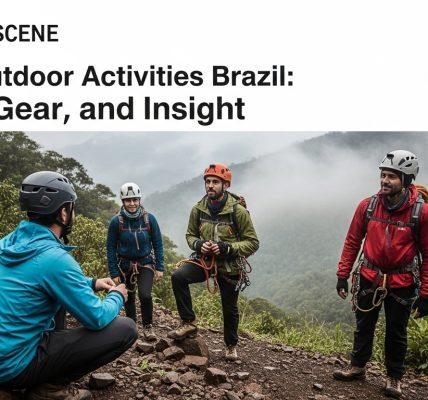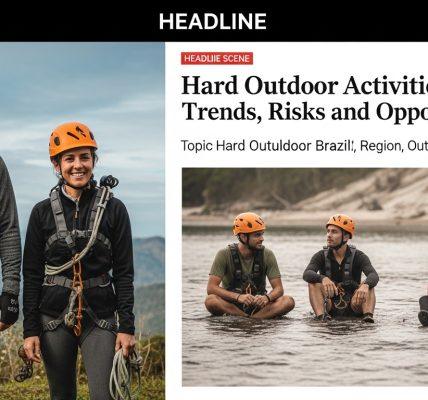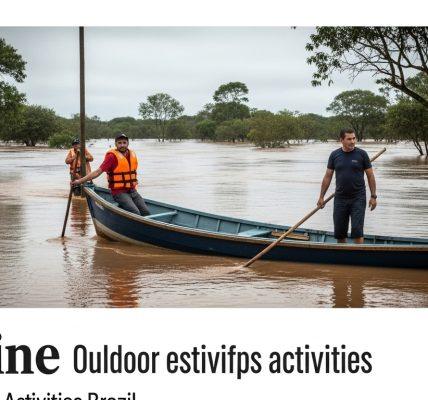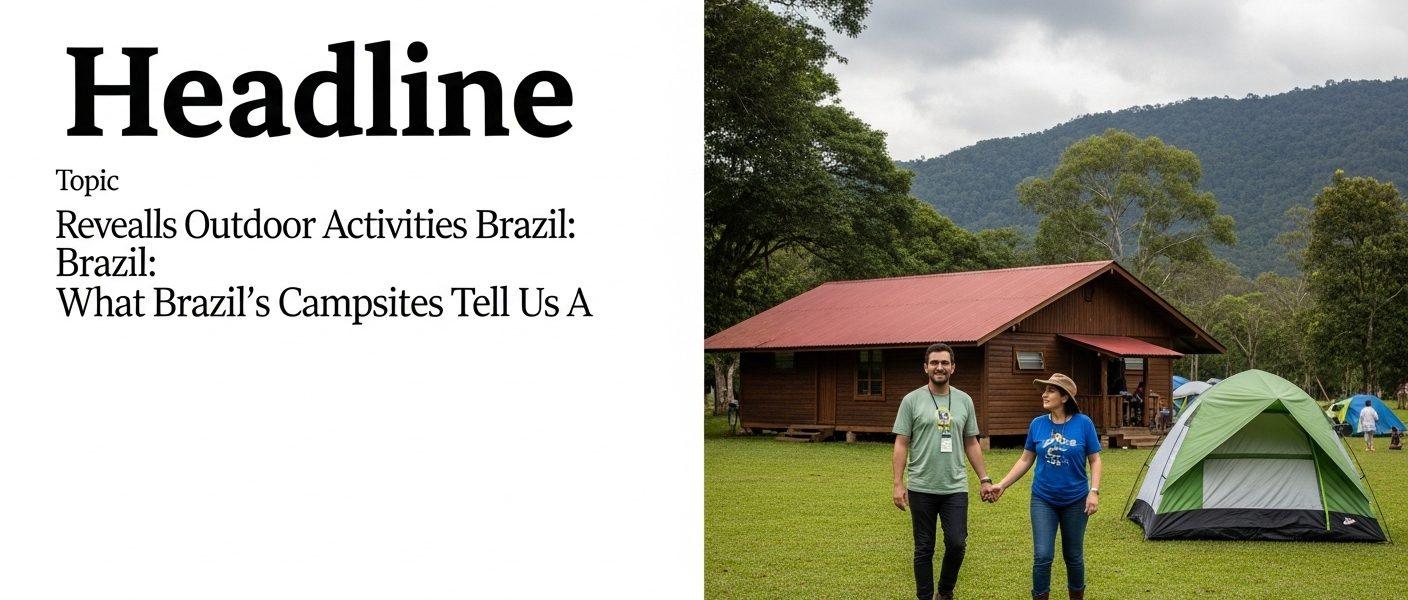
A recent analysis reveals Outdoor Activities Brazil trends shaping weekend plans across the country, from family campground getaways to remote treks, as Brazilians rethink how they connect with nature amid water shortages and a changing climate. The piece looks at how these forces cascade from the campfire ring to the gear shed and policy room, offering a practical lens for campers, campground operators, and regional planners who shape Brazil’s outdoor economy.
Context and Drivers
Brazil’s outdoor culture is being pressed by converging limits and aspirations. Climate variability has intensified drought in parts of the Northeast and Southeast, prompting water-use restrictions at popular campsites and pressure on park water systems. These conditions collide with a rising desire for accessible nature experiences—shorter getaways for urban families, weekend treks for students, and guided adventures for first-time campers—creating a demand that is both elastic and fragile.
In response, campground operators and gear retailers are recalibrating how they deliver safety, comfort, and value. Water-saving technologies—rainwater harvesting, gray-water reuse, and centralized sanitation—are moving from pilots to standard practice in more parks. The consumer shift toward multi-use equipment and modular, lighter tents reflects a broader demand for flexibility without sacrificing reliability on variable Brazilian terrain.
Policy signals from national and state bodies also play a role. Investments in ecotourism zoning, trail maintenance, and ranger training subtly tilt the market toward experiences that balance access with conservation. Where authorities publish transparent capacity and safety guidelines, campers tend to plan with greater confidence, choosing destinations that offer predictable water access, shade, and responsibly managed waste facilities.
Regional Variations in Demand
Regional patterns in Brazil diverge along climate, infrastructure, and culture. In the Southeast and interior states such as São Paulo and Minas Gerais, many families prize car camping near water bodies, yet rising heat and periodic shortages push preference toward spots with reliable water management and shaded areas. These campers increasingly book in advance for weekends and long weekends, favoring parks that provide clear signage about capacity and environmental rules.
In the Northeast and parts of the Amazon basin, demand stretches toward ecotourism communities and guided experiences that emphasize watershed stewardship and local knowledge. Here, the choice of campground is often tied to community-based lodging or park-entry systems that offer educational components and language-friendly information for first-time campers.
The Southern states heighten the appeal of longer stays, cooler evenings, and trails that pass through pine or Araucaria forests. Gear choices in these regions reflect wind resilience and warmth—sturdy tents, reliable stoves, and layered clothing become baseline requirements for seasonal travelers.
Across these regions, mobile booking and digital payments have become a baseline expectation. Apps that consolidate campsite availability, weather alerts, and permit requirements reduce friction for travelers and help operators manage peak periods without compromising safety or environmental care.
Operational Realities for Campgrounds and Gear Suppliers
Campgrounds now balance aesthetics with resilience. Water infrastructure, solar power, and efficient waste management systems are no longer niche features but core competitive factors. Operators who publicly demonstrate water stewardship—such as rainwater collection or borehole management—often see higher occupancy during dry spells, because travelers associate those sites with reliability and lower risk of service disruption.
Gear suppliers and rental services are adapting as well. The push toward modular tents, multi-use cooking kits, and repair-friendly equipment aligns with a customer base that values portability and longevity. Local manufacturers are carving out niches that emphasize repairability and spare-parts availability, reducing downtime for rental fleets and encouraging repeat customers.
Supply chains for camping goods are navigating a new normal of longer lead times and variable freight costs. In response, operators build buffer stock for essential items, align rental inventories with common trip durations, and form partnerships with regional distributors who understand climate-driven demand swings. Digital check-ins, contactless payments, and remote monitoring of water and energy use also help operators maintain service levels with leaner staffing.
Safety, Sustainability, and Policy
Safety remains central as weather patterns become less predictable. Campground operators emphasize hydration plans, route scouting, and wildlife awareness to reduce risk. Clear, multilingual signage about fire risks, trail difficulty, and water-source status helps travelers make informed decisions and minimizes emergency responses during peak seasons.
Sustainability advocates remind campers of Leave No Trace principles, responsible trash management, and respect for local communities’ livelihoods. This is not solely an environmental issue; it intersects with social outcomes—how excess foot traffic can stress fragile ecosystems and nearby villages if not managed with transparent rules and community engagement.
Policy considerations include funding for water infrastructure in rural parks, improvements in trail maintenance, and standardized training for rangers and guides. These measures help ensure that outdoor spaces remain accessible while preserving ecological integrity and safeguarding local cultures that depend on these landscapes for their livelihoods.
Actionable Takeaways
- Campers: plan trips with a defined water budget, verify on-site water access, and pack multi-use gear to minimize waste and weight. Check park-specific rules in advance and choose destinations with transparent capacity and safety information.
- Campground operators: invest in water-saving infrastructure, solar power, and clear environmental guidelines. Offer educational programs that empower visitors to minimize their ecological footprint and support local communities.
- Gear retailers and rental services: expand modular, repair-friendly tents and durable stoves; provide on-site spare parts and easy return policies. Create bundles that pair gear with water filtration or purification solutions.
- Policy and industry stakeholders: accelerate funding for rural water systems and trail upkeep; develop certification programs for sustainable campsites; foster partnerships with local guides to improve safety and cultural integrity.
- Community engagement: work with nearby communities to align camping experiences with local economies and traditions, ensuring benefits are shared and environmental protections are codified.