Updated: March 16, 2026
From the Atlantic coastline to the Amazon basin and the highlands of the south, brazilian Outdoor Activities Brazil frames how people in Brazil connect with nature through camping. This piece offers a practical, evidence-informed analysis of how regional landscapes, infrastructure, and cultural norms shape planning, gear choices, and risk management for outdoor enthusiasts.
Context: Brazil’s Outdoor Landscape
Brazil presents a mosaic of ecosystems that invite a wide range of camping experiences. The Pantanal’s floodplain wetlands, the Amazon’s vast river systems, the Atlantic Forest’s fragmented refuges, and the cerrado’s savanna plateaus each demand different approaches to access, safety, and conservation. This diversity creates a spectrum of camping norms—from formal, well-marked campsites near tourist hubs to remote, community-managed spaces that require local guidance. National parks and protected areas operate within a framework managed by agencies such as ICMBio and IBAMA, which dictate how campers interact with fragile habitats. In practice, access often mirrors regional development patterns: coastal regions tend to offer more prepared sites, while interior landscapes reward mobility and self-sufficiency. The result is a country where outdoor recreation is both aspirational and pragmatic, framed by geography, infrastructure, and policy.
The social value of camping in Brazil intersects with a broader shift toward nature-based recreation as a form of social resilience. Community-led initiatives, conservation partnerships, and rural tourism projects increasingly link campers with local economies. Yet this transition also creates tension: private enterprises and public lands compete for use, climate pressures raise the stakes of mismanagement, and a growing audience demands clearer safety standards and environmental accountability. For readers of camping-focused media, the takeaway is that the landscape is not static. Decisions about where to camp, how to travel, and what to protect are interconnected with regional economies, governance, and climate dynamics.
Gear, Safety, and Accessibility for Brazilian Campers
Effective camping in Brazil hinges on gear that adapts to humidity, heat, and sudden weather changes. Mosquito protection and sun exposure management are non-negotiable in many regions, while water purification and fire-safety considerations loom large in remote areas without reliable services. Gear choices reflect not only personal comfort but also access to resources: in more remote zones, campers carry multi-day rations, compact stoves, and robust shelter systems that can withstand wind and rain. Safety planning increasingly emphasizes weather awareness, with heat waves in the interior and sudden downpours in rainforest corridors capable of turning a simple overnight into a risk management exercise. Accessibility varies by region; coastal parks may require reservations, while inland routes depend on meter-gauged roads, seasonal closures, and local guides. A growing emphasis on Leave No Trace (LNT) practices, waste sorting, and wildlife awareness is reshaping camping etiquette, particularly in protected areas where ecosystem sensitivity is acute.
Practical planning thus blends universal camping fundamentals with region-specific considerations: anticipate humidity-driven equipment care, prepare for insects and wildlife encounters, and respect the land through responsible waste practices. In this context, gear lists become strategic choices, balancing protection from the elements with portability and cost. Campers who prioritize flexibility—lightweight shelters, adaptable cooking setups, and modular clothing—tend to fare better when crossing disciplinary boundaries between rainforest trails, savanna overlooks, and riverine campsites. Overall, the collaboration between campers, guides, and land managers is essential for keeping trails open, habitats intact, and communities engaged in outdoor traditions.
Economic and Social Dimensions of Camping in Brazil
Camping and related outdoor activities contribute to regional economies by expanding demand for guides, gear, transport, and small hospitality services. In many rural communities, community-based tourism initiatives and ecotourism networks offer a pathway to diversify income and expand local knowledge about conservation and sustainable land use. This economic link is not incidental: the sustainability of camping sites often hinges on community leadership and transparent stewardship of natural resources. Conversely, rapid urbanization and rising costs of gear can exclude lower-income groups, reinforcing inequities in access to nature. Policymakers and industry players therefore face a balancing act: maintain affordable access points and reliable safety standards while preserving ecological integrity and authentic local experiences. The result is a nuanced picture where camping serves not only as recreation but as a catalyst for stewardship, education, and rural vitality—if governed with clear standards, credible funding, and community participation.
Climate, Environment, and Future Risks
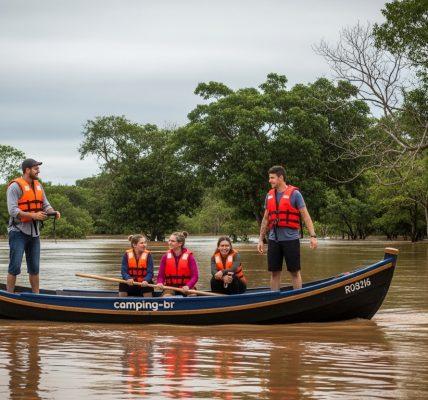
Climate variability and change are shaping how and where people camp in Brazil. Increased rainfall in certain interior regions can intensify river-level changes and flash flood risks, while droughts in others affect water availability and trail conditions. Wildfire risks, particularly in dry corridors of the cerrado and southern grasslands, add another layer of complexity to planning. Campers and local managers are increasingly modeling scenarios that account for these shifts: diversifying campsite portfolios seasonally, investing in rainwater storage and filtration, and coordinating with authorities on fire bans and emergency protocols. A prudent, scenario-based approach helps avoid misjudgments—such as staying in flood-prone zones during heavy storms or relying on fragile water sources that become unreliable during droughts. The upshot is that resilience—through planning, adaptable gear, and strong networks of local knowledge—becomes as important as the actual campsite view.
Actionable Takeaways
- Plan with local guides and consult official park maps; respect posted advisories and seasonal closures.
- Pack adaptable, multi-use gear: a rain shell, a compact shelter, water purification, and insect protection to cover diverse Brazilian climates.
- Prioritize Leave No Trace practices: pack out waste, minimize campfire impact, and avoid feeding wildlife—especially in protected areas.
- Support community-based campsites and ecotourism initiatives to help sustain local economies and conservation efforts.
- Prepare for climate variability: carry extra water, a reliable sun and rain setup, and a plan for rapid shelter or evacuation if weather shifts rapidly.