Updated: March 16, 2026
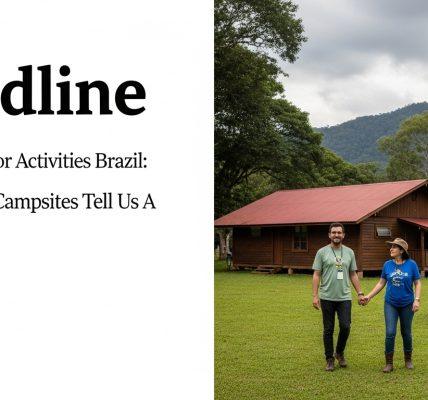
Across Brazil’s diverse landscapes, camping has shifted from niche weekend escapes to a mainstream pillar of the brazilian Outdoor Activities Brazil landscape. As families, trail runners, and urban explorers seek affordable, nature-driven escapes, local managers and gear brands confront a patchwork of sites, rules, and safety norms that shape the experience.
Context: Brazil’s Diverse Outdoors
The country’s ecosystems span the Amazon and Pantanal, the cerrado and Atlantic Forest, all threaded by rivers, mountains, and coastlines. This ecological variety fosters a wide range of camping experiences—from riverside bivouacs in the cerrado to multi-day treks through cloud forests. Seasonal rainfall, drought cycles, and regional regulations create a landscape where a weekend tent can be a gateway to learn about biodiversity and climate resilience.
Access differs sharply by state and land tenure. Public parks, private ranch-style campsites, and community-run reserves enforce distinct permits, capacities, and waste-management rules. For many Brazilians, the decision to camp is as much about social value and safe, predictable logistics as it is about scenery.
From Mountaintops to City Parks: Where Brazilians Camp
Camping in Brazil spans a spectrum: coastal campers pitching tents along sunlit beaches, urbanites using fenced campgrounds near metropolitan parks, and adventurous hikers seeking backcountry routes in Serra da Mantiqueira or Chapada Diamantina. The rise of family-friendly, family-owned sites has broadened access, while affinity groups—runners, climbers, and paddlers—drive trail-oriented camping that blends sport with nature immersion.
Local operators emphasize safety and community. Small, volunteer-run campsites often rely on informal networks to guide newcomers, share gear, and teach Leave No Trace principles. For many Brazilians, outdoor time is framed not only as recreation but as a way to bond across generations and social groups.
Infrastructure, Access, and the Demand Gap
One recurring constraint is the patchwork of infrastructure. Roads to popular sites may be rough, signage sparse, and restrooms intermittent, especially in protected areas or remote serra regions. Water quality, waste collection, and emergency response capacity vary widely, creating uneven safety standards across municipalities. In parallel, demand has outpaced capacity in several popular corridors, pushing campers toward lesser-known destinations that lack formal management or adequate ranger presence.
Policy fragmentation across states complicates planning for families and private operators alike. Municipalities may offer conflicting rules about camping durations, fire regulations, and vehicle access, forcing visitors to juggle permits, fees, and seasonal closures. The result is a cautious growth pattern: more Brazilians camping, but not uniformly so, with gaps that undermine sustainability and long-term site viability.
In response, many parks and local operators are promoting sustainability as a core practice. Leave No Trace education, proper waste disposal, and the use of renewable energy or portable solar kits are becoming common. Some sites implement capacity limits and ecological zoning, while community stewardship models seek to balance access with habitat protection.
Actionable Takeaways
- Plan with local seasonality and weather patterns; avoid peak closures that reduce access or degrade sites.
- Choose registered campsites and follow posted regulations to support safety and site stewardship.
- Pack out waste, minimize plastic use, and adopt Leave No Trace practices to protect biodiversity.
- Support community-run spaces that reinvest in local trails, guides, and conservation efforts.
- Learn basic local languages or phrases to improve safety communication in remote areas.
Source Context
From an editorial perspective, separate confirmed facts from early speculation and revisit assumptions as new verified information appears.
Track official statements, compare independent outlets, and focus on what is confirmed versus what remains under investigation.
For practical decisions, evaluate near-term risk, likely scenarios, and timing before reacting to fast-moving headlines.
Use source quality checks: publication reputation, named attribution, publication time, and consistency across multiple reports.
Cross-check key numbers, proper names, and dates before drawing conclusions; early reporting can shift as agencies, teams, or companies release fuller context.
When claims rely on anonymous sourcing, treat them as provisional signals and wait for corroboration from official records or multiple independent outlets.
Policy, legal, and market implications often unfold in phases; a disciplined timeline view helps avoid overreacting to one headline or social snippet.
Local audience impact should be mapped by sector, region, and household effect so readers can connect macro developments to concrete daily decisions.