Updated: March 16, 2026
This analysis looks at the most Outdoor Activities Brazil and how campers navigate a rapidly expanding landscape of coastlines, rainforests, and backcountry routes. It frames decisions for individuals and communities alike, highlighting practical steps for safe, sustainable exploration in a country that can offer world-class experiences with the right planning.
Market landscape and the rise of camping
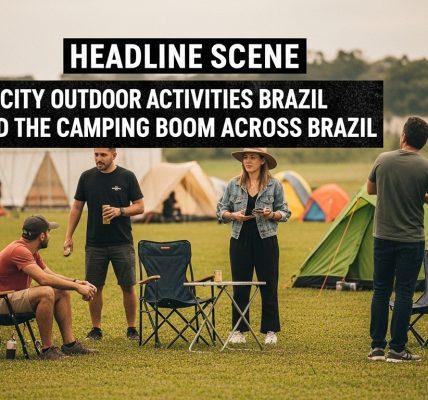
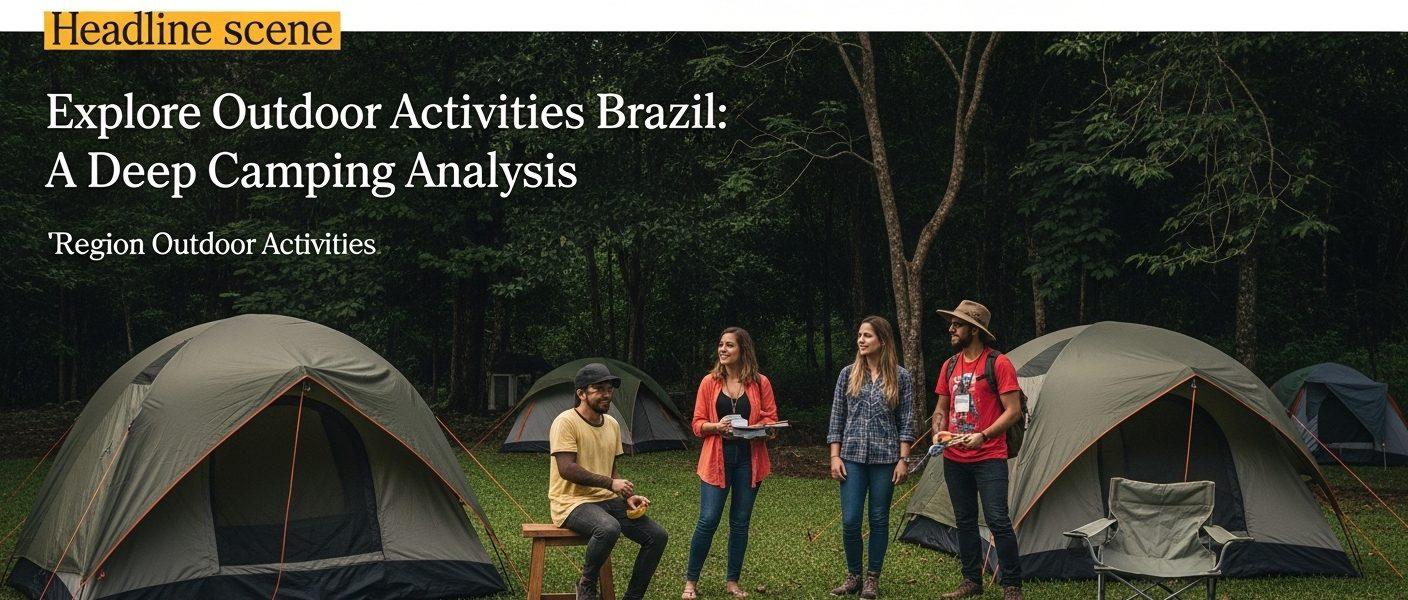
Brazil’s outdoor economy has diversified beyond traditional beach day trips into a distributed network of campsites, park lodges, and guide-led expeditions. In coastal states from Rio de Janeiro to Bahia, and inland from the Cerrado to the Pantanal, demand for authentic camping experiences has grown as urban residents seek respite in nature. The rise is not merely about money; it’s about a cultural shift toward slower travel, self-reliance, and environmental awareness. New gear outlets, online booking platforms, and community-owned campsites have lowered barriers to entry, making car camping, beginner treks, and family-friendly routes accessible to a broader audience.
Drivers shaping the outdoor economy in Brazil
Several forces push momentum forward while also shaping risk. Climate variability—seasonal rains, droughts, and heat—directly affects when and where people camp. Brazil’s landscapes—coastal Atlantic forests, the Amazon basin, the Pantanal wetlands, and highland trails—offer varied microclimates that require flexible planning. Conservation policies, undertaken by agencies like ICMBio and IBAMA, influence which areas are open to visitors, under what conditions, and with which permit requirements. The growth of community-based tourism—where local guides and families run campsites or organize multi-day treks—has improved safety standards and ensured that economic benefits reach small communities rather than distant tour operators. Yet the same biodiversity richness also raises responsibilities: visitors must respect wildlife, avoid disturbing fragile habitats, and follow Leave No Trace principles to limit long-term ecological impact.
Practical planning for campers and organizers
Campers and organizers should treat Brazil’s outdoors as a shared resource. Before departure, verify permit and camping rules for the chosen area, study weather patterns, and map emergency anchors (rivers, rescue points, and safe landing zones for drones or emergencies). Pack for variability: layered clothing, waterproof gear, reliable lighting, and a compact water treatment method. Navigation and safety devices—GPS, offline maps, whistle, and a basic first-aid kit—are essential, particularly in remote routes that lack mobile coverage. Water management and food safety matter in hot climates; plan for waste disposal that preserves ecosystems and respects local communities. For guides and site operators, investing in trained staff, transparent pricing, and clear safety briefings builds trust and reduces incident risk. In protected areas, always follow regulations, respect wildlife, and participate in local conservation efforts rather than exploiting fragile sites.
Actionable Takeaways
- Confirm permits and campground rules ahead of time for your chosen area.
- Check weather forecasts and account for microclimates across regions and seasons.
- Pack modular gear and layers to adapt to sudden changes in temperature and rain.
- Practice Leave No Trace: minimize campfire impact, manage waste, and preserve wildlife habitats.
- Support local communities by hiring guides or staying at community-run sites.
- Share your itinerary with a trusted contact and carry essential safety gear for remote areas.
Source Context
Contextual resources and official references on Brazil’s outdoor activities and camping policies:
From an editorial perspective, separate confirmed facts from early speculation and revisit assumptions as new verified information appears.
Track official statements, compare independent outlets, and focus on what is confirmed versus what remains under investigation.
For practical decisions, evaluate near-term risk, likely scenarios, and timing before reacting to fast-moving headlines.
Use source quality checks: publication reputation, named attribution, publication time, and consistency across multiple reports.
Cross-check key numbers, proper names, and dates before drawing conclusions; early reporting can shift as agencies, teams, or companies release fuller context.
When claims rely on anonymous sourcing, treat them as provisional signals and wait for corroboration from official records or multiple independent outlets.
Policy, legal, and market implications often unfold in phases; a disciplined timeline view helps avoid overreacting to one headline or social snippet.
Local audience impact should be mapped by sector, region, and household effect so readers can connect macro developments to concrete daily decisions.