Updated: March 16, 2026
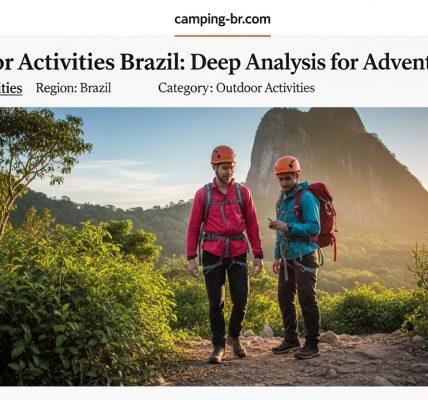
In a country whose vast landscapes span Amazon rainforests, highland plateaus, and pristine coastlines, the impulse to explore Outdoor Activities Brazil has never been stronger. For campers, hikers, and weekend adventurers, the trend is less about a single trip and more about building a culture of responsible exploration that blends urban life with nature. This analysis examines the drivers of the revival, where infrastructure and safety intersect with opportunity, and how policymakers, operators, and communities are shaping the future of camping and outdoor travel across Brazil.
Context: Brazil’s outdoor boom and camping niche
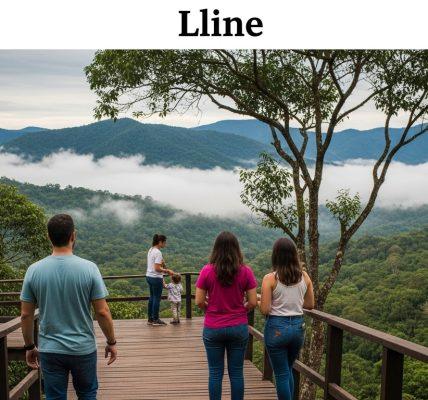
Over the past decade, domestic travel has increasingly favored nature-based experiences. Brazilians are trading crowded city centers for forest trails, river camps, and coastal bivouacs, seeking a pace that blends physical activity with ecological awareness. This shift is not merely a fashion; it reflects a convergence of values around health, climate literacy, and local cultural appreciation. The expansion of protected areas and restored public access to certain trails has helped demystify backcountry travel, turning once-accessible landscapes into viable weekend destinations. In parallel, digital platforms—mapping services, campsite aggregators, and gear rental apps—lower the barriers to entry. A camping trip now often begins with selecting a nearby campground, reserving a site, and arranging gear within a few taps, reducing friction that deterred first-timers in the past.
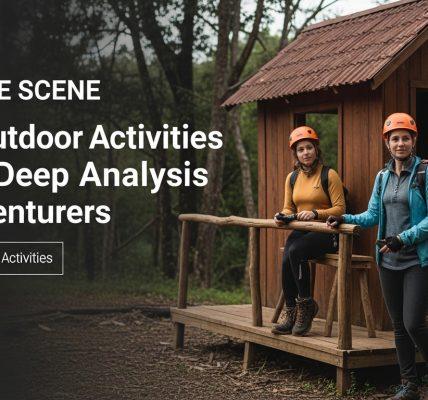
The result is a more diverse outdoor community: families testing glamping and car camping, young hikers undertaking multi-day treks, and local guides offering interpretive walks that pair nature observation with cultural insight. While the demand is broad, it also requires nuance—respect for biodiversity, adherence to local rules in protected zones, and awareness that not all regions offer the same level of infrastructure or emergency support. The growing ecosystem of operators and public agencies is gradually responding with standardized safety guidelines, clearer signage, and more transparent pricing, which can translate into more predictable experiences for newcomers and seasoned campers alike.
Infrastructure, safety, and seasonal patterns
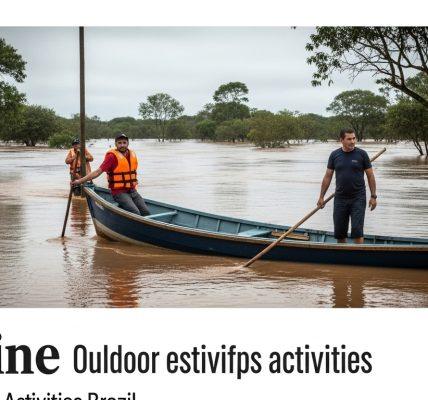
Access to reliable camping infrastructure varies widely across Brazil’s regions. Cost-effective basic campsites near urban centers coexist with more developed campgrounds offering water, bathrooms, and ranger-led programming in national parks. This patchwork creates both opportunity and risk. For many families, the appeal lies in the simplicity of a tent, a shared meal, and the chance to observe wildlife, but the experience depends on weather windows, trail maintenance, and adequate emergency readiness. Seasonal patterns influence risk and planning: the rainy seasons in the Amazon and the Midwest, the dry winter in the Southeast, and the cold snaps of the higher elevations can all dictate when and where camping is most enjoyable. In several areas, local authorities and private operators have begun implementing standardized safety briefings, first-aid readiness, and clear signage about wildlife encounters, exit routes, and campsite etiquette. For participants, this translates into a learning curve—approach with proper packing, weather awareness, and an understanding that coastal or forested zones may demand different preparations.
Beyond weather, safety is increasingly tied to access to medical facilities, mobile communication, and contingency plans for remote sites. Some regions now offer satellite messaging services or designated rescue points, which can reduce response times in emergency scenarios. The net effect is a climate where informed campers plan with a risk lens: they check forecast models, carry appropriate navigation tools, and practice Leave No Trace principles to minimize impact on fragile ecosystems. This pragmatic approach helps sustain the long-term viability of outdoor travel as a recurring activity rather than a one-off thrill.
Policy and market drivers
Policy shifts and market dynamics are shaping who can participate in outdoor travel and how it is experienced. International mobility policies—such as visa arrangements that simplify international visits—intersect with Brazil’s growing domestic audience for nature-based recreation. Analysts point to policy environments that reduce bureaucratic friction for travelers seeking coastal campsites, rainforest trails, and highland routes, which in turn expands the pool of potential campers and guides. On the supply side, private operators, gear rental networks, shuttle services, and local lodges are increasingly integrated with public access routes. This integration supports more predictable service delivery while encouraging responsible tourism practices. The consequence is a more resilient camping economy that can adapt to fluctuations in tourism demand, weather variability, and evolving conservation standards. As Brazil’s outdoor market matures, it also faces the challenge of balancing growth with conservation, ensuring that increasing foot traffic does not degrade sensitive habitats or overwhelm local communities. The question for policymakers and industry players is how to scale access while maintaining ecological integrity and cultural respect for regional differences across the country.
Strategic opportunities for campers and local providers
For campers, the current landscape offers a spectrum of entry points—from simple car camping on public land to guided backcountry expeditions with trained leaders. For local providers, there is value in building reliable, education-focused experiences that pair adventure with conservation messages. Opportunities emerge in several domains: 1) community campsites and family-friendly circuits that emphasize safety briefings and environmental stewardship; 2) gear-sharing networks and mobile apps that simplify packing lists, route planning, and real-time updates on trail conditions or closures; 3) partnerships between protected-area managers and private operators to offer interpretive programs that highlight biodiversity, history, and sustainable practices; 4) seasonal programming that aligns with regional climate patterns to optimize demand and reduce the likelihood of weather-driven disruptions. As the market matures, success will depend on clear communication about what is included in a given experience, transparent pricing, and responsible tourism practices that minimize ecological footprints while maximizing educational value for participants. In this context, campers who approach trips with planning discipline—considering route difficulty, gear needs, and weather contingencies—are better positioned to capitalize on the growing interest in outdoor activities while safeguarding the landscapes that make Brazil a premier outdoor destination.
Actionable Takeaways
- Plan with seasonal weather in mind: identify windows with lower rainfall and milder temperatures for the regions you intend to visit.
- Choose accredited or well-reviewed campsites and guides to ensure safety standards and reliable information on trail conditions.
- Carry essential safety gear, a basic first-aid kit, and reliable navigation tools; know how to contact local emergency services where you are camping.
- Practice Leave No Trace principles to protect biodiversity and support long-term access to public lands for everyone.
- Utilize gear-sharing or rental services when possible to reduce the weight and cost of your setup while promoting sustainable travel practices.
- Stay informed about regional park rules, wildlife advisories, and any permit requirements before you depart.
Source Context
For readers seeking broader context on policy shifts and travel access that intersect with outdoor activities in Brazil, consider these sources: