Updated: March 16, 2026
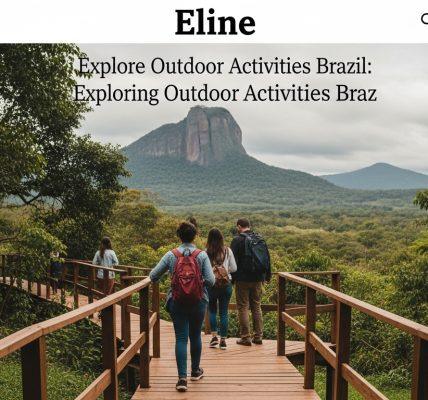
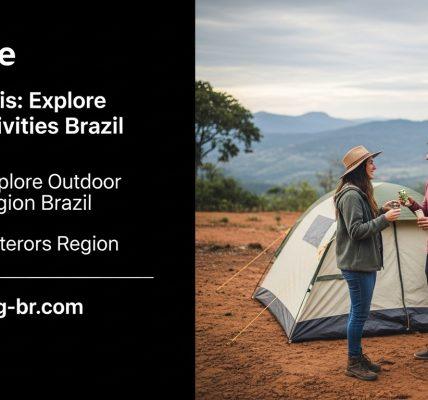
For travelers and outdoor enthusiasts, Brazil offers more than iconic beaches and rainforests; it invites careful, long-range exploration of rugged landscapes, river routes, and mountain camps. This piece looks at how to explore Outdoor Activities Brazil with a practical lens, focusing on camping as a gateway to deeper immersion across regions, seasons, and communities.
The Camping Landscape Across Brazil
Brazil’s vast territory divides into ecosystems that reward different camping styles: the Amazon’s rainforest canopy, the Pantanal’s wetlands, the Cerrado’s savannas, and Atlantic Forest pockets near coastal towns, plus highland plateaus like Serra da Mantiqueira. Each region presents distinct camping opportunities and constraints, from trail ruggedness to seasonal weather. In the Amazon basin, riverine campsites may require guides and permits; in the arid Northeast, the Chapada Diamantina offers rugged panoramas with clear skies; the southern states offer alpine-like conditions in Itatiaia and Serra do Mar’s coastal mountains. The seasonal calendar matters: the Amazon’s rainy season can complicate paddling and access, while the dry season often clears trails but raises fire risk in cerrado areas. Understanding these regional rhythms helps frame when and where to pitch a tent, or rent a hammock in a riverside village.
Planning: Gear, Safety, and Community
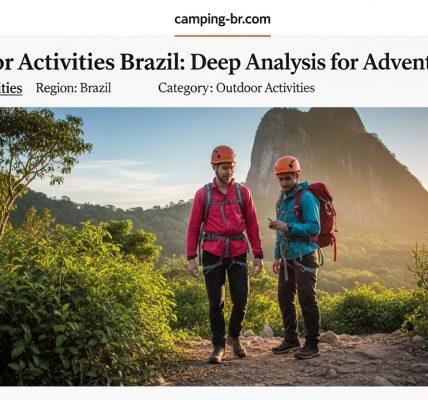
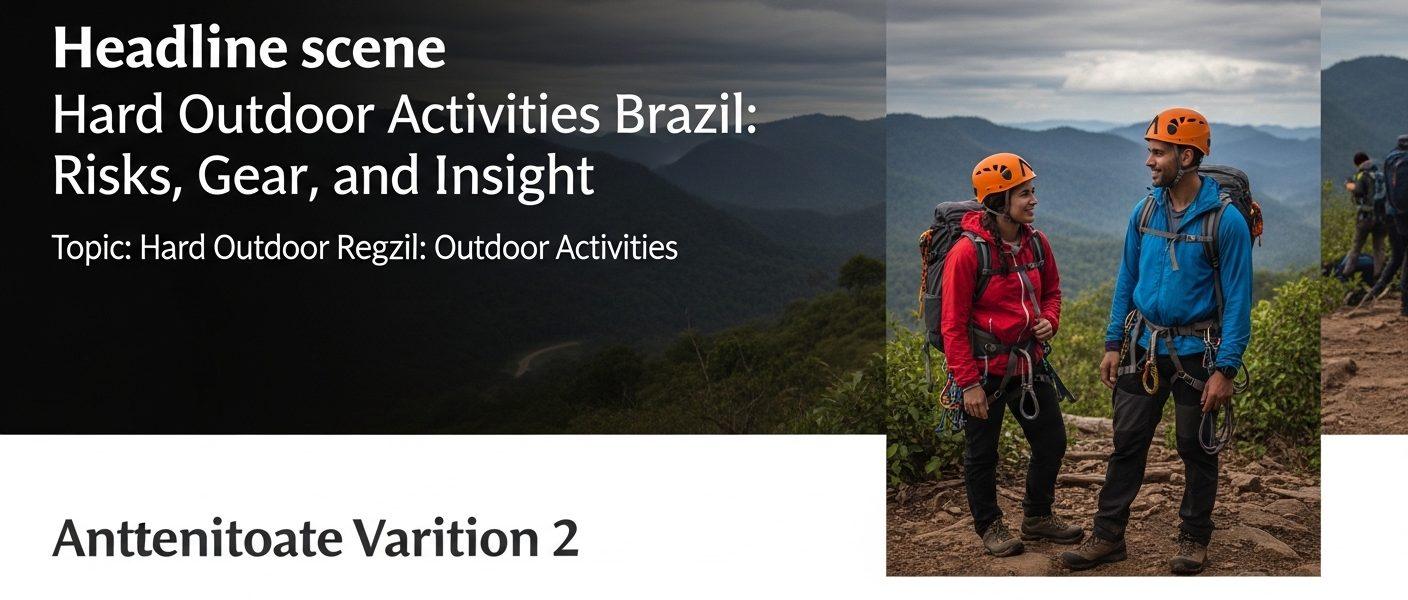
Practical planning starts with local knowledge. Pack layers suited to humidity and sudden temperature shifts; bring a compact shelter, a reliable water filtration method, mosquito protection, and rain gear; carry a basic first aid kit; navigation equipment; and a means to communicate if venturing off-grid. Safety arises from wildlife, river crossings, and remote terrain; consider hiring local guides for difficult routes, and always inform someone of your itinerary. Respect for local communities and land rights matters; choose community-run camps or ecotourism operators that reinvest in surrounding villages, and abide by Leave No Trace principles to minimize impact. Regulatory considerations may include park permits or restricted zones, so check the latest permissions well in advance and anticipate visa or entry conditions that affect trip length and access.
Access and Routes: City Proximity to Wilderness
Brazil’s major urban gateways — Sao Paulo, Rio de Janeiro, Belo Horizonte, and Florianópolis — serve as launch pads for weekend escapes and longer treks. From these hubs, the network of national parks and protected landscapes can be reached by road or short flights, often with seasonal shifts. The Lençóis Maranhenses National Park offers dune-backed lagoons, Chapada Diamantina features rugged plateaus, and Itatiaia National Park near Rio and São Paulo provides a familiar foothold for first-timers. Backcountry routes in Serra da Mantiqueira or Chapada dos Veadeiros demand planning for water sources, trail etiquette, and potential weather changes. The interplay of accessibility and conservation goals means that more trails require guided support or formal permission, shaping who camps where and when.
Sustainable Camping and Cultural Footprint
Eco-conscious travelers increasingly demand approaches that support biodiversity, honor Indigenous and local communities, and distribute economic benefits fairly. Choose operators that employ local guides, use low-impact camp methods, and maintain waste-reduction practices. Avoid camping in restricted zones or fragile habitats, and adopt cultural sensibilities when encountering rural villages or Indigenous lands. Climate variance and seasonal rainfall emphasize low-impact practices and water conservation; supporting community-based camps helps preserve trails and protect ecosystems for future explorers.
Actionable Takeaways
- Check regional climate windows and plan with local guides for high-risk areas.
- Prefer community-run camps or licensed ecotourism operators to support local livelihoods.
- Pack layered clothing, a compact tent, water filtration, and a Leave No Trace mindset.
- Research permit or park-entry requirements before starting a route.
- Respect wildlife and avoid sensitive ecosystems during breeding seasons.
- Share your itinerary with someone trustworthy and use local networks for navigation.
- Use reputable gear and practice river-crossing safety when exploring wetlands or canyons.
- Consider portable solar charging for remote trips to minimize battery waste.
Source Context
For broader travel policy and Brazil-focused insights, consider these sources:
From an editorial perspective, separate confirmed facts from early speculation and revisit assumptions as new verified information appears.
Track official statements, compare independent outlets, and focus on what is confirmed versus what remains under investigation.