Updated: April 14, 2026
Across Brazil, the brazil Outdoor Activities Brazil landscape is evolving as public lands reopen for camping, local gear markets expand, and communities champion shared know-how. For campers and outdoors enthusiasts in Brazil or abroad, this moment offers both opportunity and a set of practical challenges: planning around climate variability, choosing sustainable sites, and navigating diverse regulations across states and biomes. The central question for readers of camping-br.com is not only where to set up a tent, but how to balance accessibility with responsibility, and how to tailor plans to a country whose ecology ranges from Amazonia to the Atlantic Forest, and from cerrado grasslands to highland plateaus.
The camping landscape in Brazil
Brazil’s outdoor scene now blends public parks, private campsites, and community-run areas, with families and urban travelers alike drawn to forest clearings, riverbanks, and mountaintop vistas. The shift is more than a hobby uptick; it signals a broader move toward nature-based recreation as a daily life option. Local gear shops in major cities—São Paulo, Rio de Janeiro, and Belo Horizonte among them—have expanded selections, from compact stoves to modular shelters, reflecting a growing domestic market rather than reliance on imports alone. Yet access remains uneven: some protected areas require permits, others limit camp sizes, and seasonal road conditions can complicate weekend plans. For Brazil, this translates into a nuanced picture where policy, land management, and community-led stewardship converge to shape how, where, and when people camp. In practice, this means campers should check local rules before arrival, scout established campsites first, and be prepared to adapt plans if access or conditions change. The outcome is a more connected but also more demanding outdoor culture, where knowledge sharing—via clubs, social networks, and guided trips—adds as much value as gear itself.
Seasonality and regional access for campers
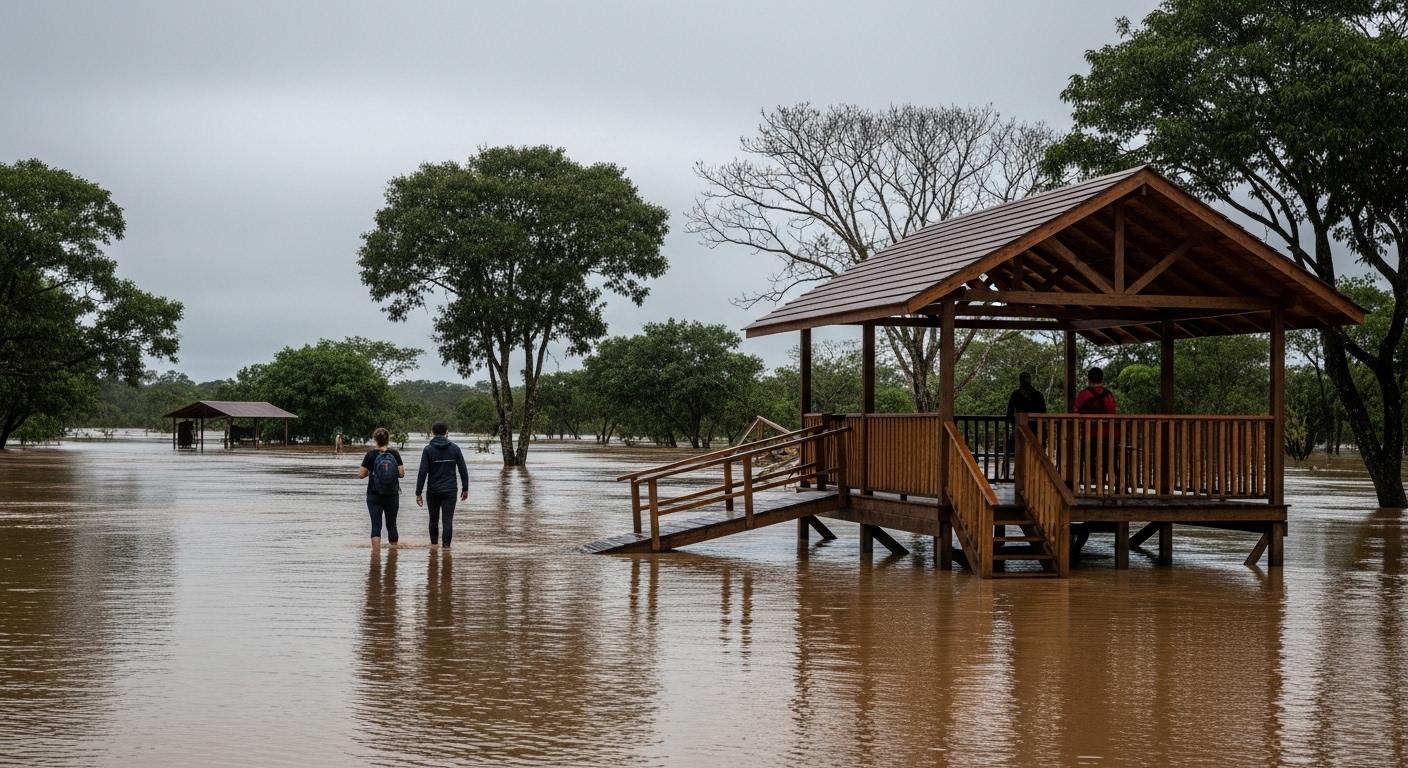
Seasonal patterns in Brazil differ dramatically by region, making a one-size-fits-all camping plan impractical. In the Amazon and parts of the Pantanal, the wet season can flood trails, render some river crossings impassable, and shorten dry-season camping windows. In the northeast, arid zones can see long dry spells, while the Atlantic Forest hides microclimates that swing rapidly with short-lived rain showers. The southeast and south offer more predictable weekend camping, but even there a sharp contrast emerges between cool, misty highlands and hot coastal areas. For families planning a long weekend, a solid plan considers not just the destination but the weather window, river levels, and the typical crowd at a given park. A practical approach is to map a primary destination along with a closely vetted backup—one that is equally scenic but politically or logistically simpler to access. When conditions shift, a flexible itinerary reduces disappointment and keeps outdoor activities enjoyable rather than exhausting.
Safety, sustainability, and community engagement
Safety and sustainability sit at the core of responsible camping in Brazil. River and jungle safety requires awareness of wildlife, water quality, and the potential for flash floods in certain basins. Fire restrictions, waste disposal rules, and site-specific regulations differ by park and state, so campers should carry appropriate means to pack out trash, minimize campfire impact, and avoid leaving perishable food that may attract wildlife. Community engagement matters as well: many Brazilian regions host Indigenous and traditional communities with long-standing knowledge about local ecosystems. Engaging respectfully—learning about land rights, seeking permission when required, and supporting local guides or cooperatives—strengthens the social fabric around outdoor activities and contributes to conservation outcomes. The practical takeaway is clear: plan with local rules in mind, practice Leave No Trace principles, and treat each camping site as a living system that benefits from care and stewardship as much as visitors benefit from it.
Technology, economy, and the future of outdoor activities
Technology acts as an enabler in Brazil’s camping revolution. Digital maps, weather alerts, and online communities help plan routes, assess risk, and share up-to-date information on campsite availability or access constraints. This is particularly valuable in vast biomes where conditions can shift quickly and where some campsites lack on-site staff. Economically, the outdoor activities surge supports a growing ecosystem of gear makers, rental outfits, and local guides. It also highlights gaps: in remote areas, basic amenities such as clean water, restrooms, and reliable signage may be scarce, creating a compelling case for public-private partnerships and community-led improvements. Looking ahead, expectations converge around sustainable tourism: fewer overnight sites, more emphasis on low-impact camping practices, and a preference for experiences that pair adventure with environmental learning. For campers, this means building resiliency into itineraries—carrying spare fuel, backups for water purification, and knowing how to modify plans when access or safety considerations arise.
Actionable Takeaways
- Plan with a regional calendar: know the dry and wet seasons of your target biome and have a flexible backup itinerary.
- Verify campsite rules in advance: permits, maximum stay, fire policies, and waste disposal requirements vary by site and state.
- Pack for resilience: bring waterproof gear, a compact water filtration option, and a method to leave-no-trace in sensitive habitats.
- Engage with local communities: hire local guides when visiting unfamiliar areas and support small businesses to sustain regional camping infrastructure.
- Use credible sources for updates: monitor official park pages and trusted outdoor networks for changes in access or safety advisories.
發佈留言