Updated: April 15, 2026
In Brazil, the culture of brazil Outdoor Activities Brazil is evolving beyond the campsite as urban life bleeds into forest edges, coastlines, and highland retreats. This trend isn’t mere fashion; it signals deeper shifts in how Brazilians plan weekend escapes, how families teach children outdoor skills, and how small towns depending on tourism adapt to seasonal influxes. The latest patterns across diverse ecosystems—from the Cerrado to the Atlantic Forest and the Amazon’s arc—reframe camping not just as recreation but as everyday habitat management: how to live with heat, humidity, rainfall, and the rhythms of nature while preserving fragile landscapes. This analysis examines the forces shaping outdoor life in Brazil, its risks and opportunities, and what it portends for travelers and communities alike.
Brazilian Outdoor Activities Landscape
Brazil hosts a mosaic of outdoor opportunities. In the last decade, camping has moved from specialist gear closets to family plans, with public land, private ranches, and charity events offering pitches. Enthusiasts vary from urban hikers to river campers to adventurers seeking remote trails. The switch to multi-day experiences, gear-light packing, and shared campsites reflects a broader shift toward sustainable recreation. For Brazil, this isn’t just leisure: it interacts with regional economies, biodiversity governance, and climate resilience. While it’s tempting to frame camping as a single activity, the reality is that Outdoor Activities in this country cross climate zones, legal frameworks, and cultural expectations. Brazilian campers increasingly value low-impact practices, local guides, and community-led stewardship. These dynamics create both accessibility and responsibility challenges for local authorities and park managers.
Infrastructure, Climate, and Access for Campers
Accessible trails and campgrounds hinge on transport links, sanitation, and weather windows. In populous regions like the southeast and northeast, heat waves and heavy downpours compress the camping season into shorter intervals, while the Amazon and Cerrado offer vast backcountry but require permits, gear readiness, and navigational aids. Climate variations shape when and where Brazilians choose to pitch tents or park caravans; droughts sharpen water-use concerns in arid pockets, while humidity fuels mold and shelter maintenance needs. Outside major cities, road networks and signage still lag behind demand, which pushes communities toward cooperative camps, trail associations, and community-managed reserves. The result is a spectrum from well-developed, family-friendly sites with sanitation blocks to rustic approaches that demand self-reliance, first-aid capability, and local guidance. Policy and funding cycles, constrained budgets, and biodiversity protections also influence which landscapes are accessible to the average camper and which are reserved for conservation research or Indigenous-led stewardship.
Safety, Skills, and Community in Brazilian Camping
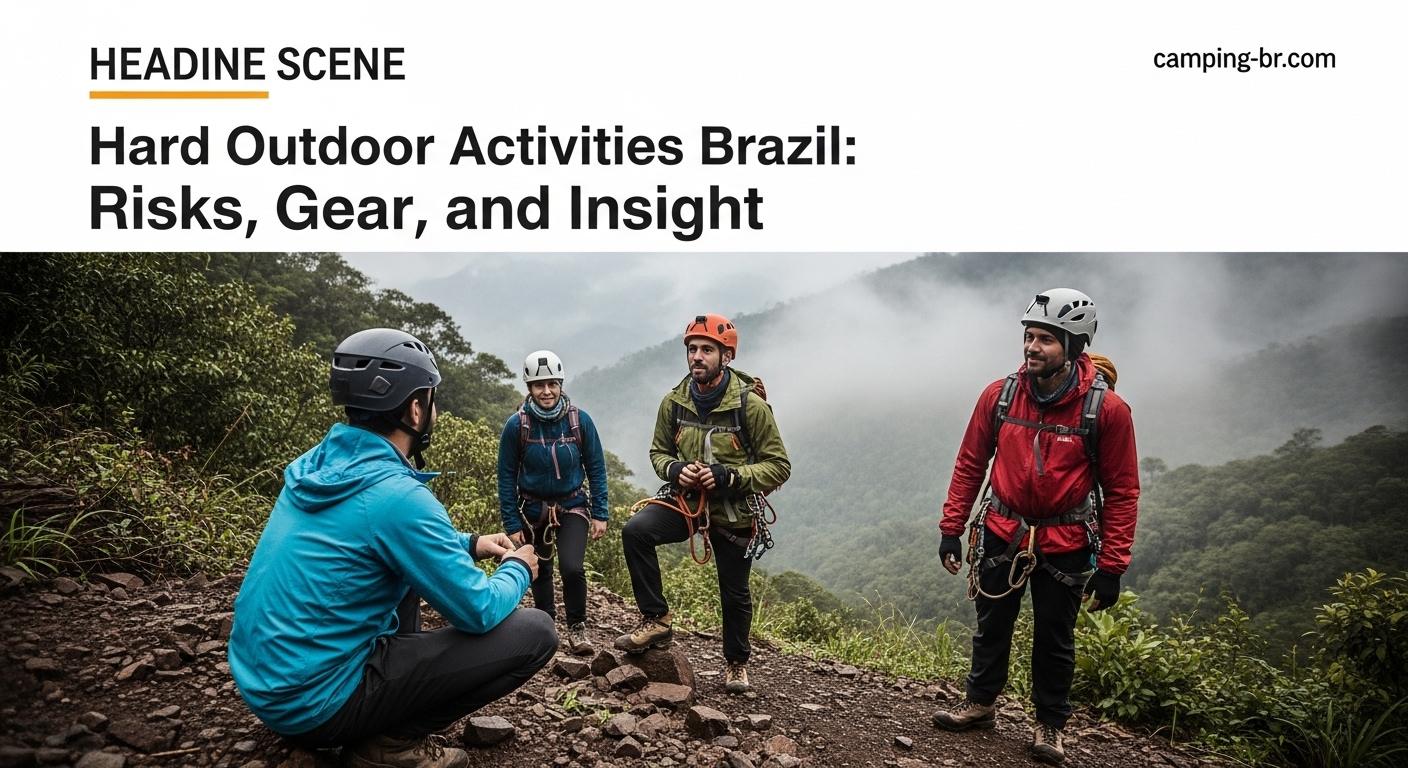
Safety and skill development have become central to sustained participation in outdoor life. Brazilians increasingly seek basic navigation, weather interpretation, and leave-no-trace practices as table stakes for responsible camping. Local clubs, schools, and tourism operators offer short trainings on first aid, fire safety, and gear checks, while guides help visitors navigate sensitive ecosystems like the Atlantic Forest and the Cerrado’s thorny routes. Community networks—from river-going clubs to mountain associations—build knowledge transfer, share risk information, and provide peer support during emergencies. This communal approach complements formal regulation, including park rules and camping etiquette, reducing conflicts with landowners and preserving biodiversity. As outdoor life expands, there is growing attention to accessibility for families, seniors, and first-time campers, ensuring that safety norms are clear without becoming barriers to participation.
Actionable Takeaways
- Plan with local knowledge: check site rules, weather patterns, and seasonality for your chosen region.
- Pack for variability: Brazil’s microclimates demand adaptable layers, resistant shelter, and reliable water management.
- Prioritize low-impact practices: minimize waste, respect wildlife, and use established campsites where possible.
- Invest in safety basics: personal first-aid kit, whistle, flashlight, and a simple navigation tool or app.
- Engage with community guides: local associations can improve safety and enrich your experience while supporting conservation.
Source Context
For further reading on global travel news and regional implications for outdoor recreation, see these sources:
From an editorial perspective, separate confirmed facts from early speculation and revisit assumptions as new verified information appears.
發佈留言