Updated: April 15, 2026
This analysis explains how reveals Outdoor Activities Brazil reshapes how Brazilians engage with nature, moving from simple bivouacs to integrated river trips, forest hikes, and family camping in protected areas.
Context and Trends
Across Brazil, a shift is underway in how people access outdoor spaces. Urban life, restored interest in mental and physical health, and the proliferation of affordable gear have accelerated domestic exploration. Camping and day hikes are no longer fringe activities; they are becoming everyday practices for families, students, and professionals seeking tangible respite from screens and crowded urban centers. This emergence does not happen in a vacuum. It interacts with climate variability, regional biodiversity, and the evolving regulatory landscape that governs protected areas and rural land use.
Three forces frame the current trajectory. First, climate patterns increasingly push recreational calendars toward flexible planning, with longer rainy seasons in some regions and intensified droughts in others. Second, local economies tied to ecotourism, community-run camps, and small operators have begun to standardize service offerings—guided treks, safe-water practices, and waste management—so that a family can plan a weekend with predictable safety and environmental impact. Third, information channels—apps, online reviews, and conservation-focused content—shape expectations around responsible camping, trail etiquette, and wildlife encounters. Taken together, these elements illuminate why many Brazilians perceive camping not just as recreation but as a practical framework for learning about climate, landscape, and local communities.
From the Pantanal wetlands to the Atlantic Forest and the Cerrado, the demand for outdoor experiences intertwines with regional capacities. Some regions report robust infrastructure—marked trails, interpreters, and mid-range campgrounds—while others struggle with waste management, seasonal access, and insufficient signage. The net effect is a dynamic where the camping experience becomes a test case for local governance, environmental stewardship, and community resilience in the face of growing demand and ecological stress.
Safety, Environment, and Preparedness
Practically, outdoor activities require a careful balance of preparation and improvisation. Brazil’s vast topography means campers must plan around heat and humidity in lowland forest zones, cold fronts in highland plateaus, and sudden downpours in coastal fringes. A practical risk assessment includes water availability and treatment, appropriate shelter choices, and contingency plans for remote areas where medical assistance is hours away. In this framework, sustainable practices—packing out what you pack in, avoiding fragile nesting sites, and minimizing campfire footprints—are not optional add-ons. They are essential to preserving the very places that make outdoor activities appealing to Brazilians.
Health and safety also hinge on biological and meteorological literacy. Mosquito-borne illnesses, venomous species, and shifting floodplains require reliable information channels and local knowledge. Campers benefit from offline maps, pre-checked routes, and clear weather forecasts applicable to micro-climates. For beginners, the emphasis should be on short trips with well-marked access points, simple routes, and fixed campsites that offer basic sanitation and waste disposal options. For seasoned explorers, preparedness means carrying purification systems, a compact first-aid kit, and durable gear designed to withstand local conditions without escalating environmental impact.
Community, Infrastructure, and Policy
Access to outdoor spaces in Brazil is increasingly mediated by a patchwork of public, cooperative, and private facilities. Municipal parks, state reserves, and private camping networks each bring different levels of service—from potable water and restrooms to ranger-led programs and emergency response capabilities. This diversity matters: with stronger basic services, more families can venture into nature safely, while poor maintenance or confusing regulations can deter longer, more meaningful trips.
Policy and community governance are shaping how camping sites are developed and maintained. Clear rules on waste management, fire safety, and trail signage help reduce conflicts between recreation and conservation goals. In many regions, local entrepreneurs, indigenous communities, and conservation groups are collaborating to create low-impact, culturally respectful experiences that emphasize learning—about ecosystems, climate resilience, and sustainable livelihoods. These collaborations can serve as models for scaling responsible camping while protecting biodiversity and water resources that are already under pressure from urban growth and agricultural demands.
Future Scenarios for Outdoor Activities Brazil
Looking ahead, two broad futures compete for prominence. In a conservation-forward scenario, demand for outdoor activities drives investment in trail maintenance, habitat restoration, and community-centered governance. Campsites would standardize safety protocols, carry capacity limits, and waste-management practices, ensuring that ecological integrity remains intact even as participation grows. In a second, more challenging scenario, rapid growth without parallel investments in infrastructure and education could exacerbate crowding, degrade landscapes, and strain water resources during dry seasons. Between these extremes, technology-assisted planning—offline mapping, real-time trail conditions, and community-reported risk flags—could become a decisive factor, helping campers make smarter decisions and minimizing ecological footprints.
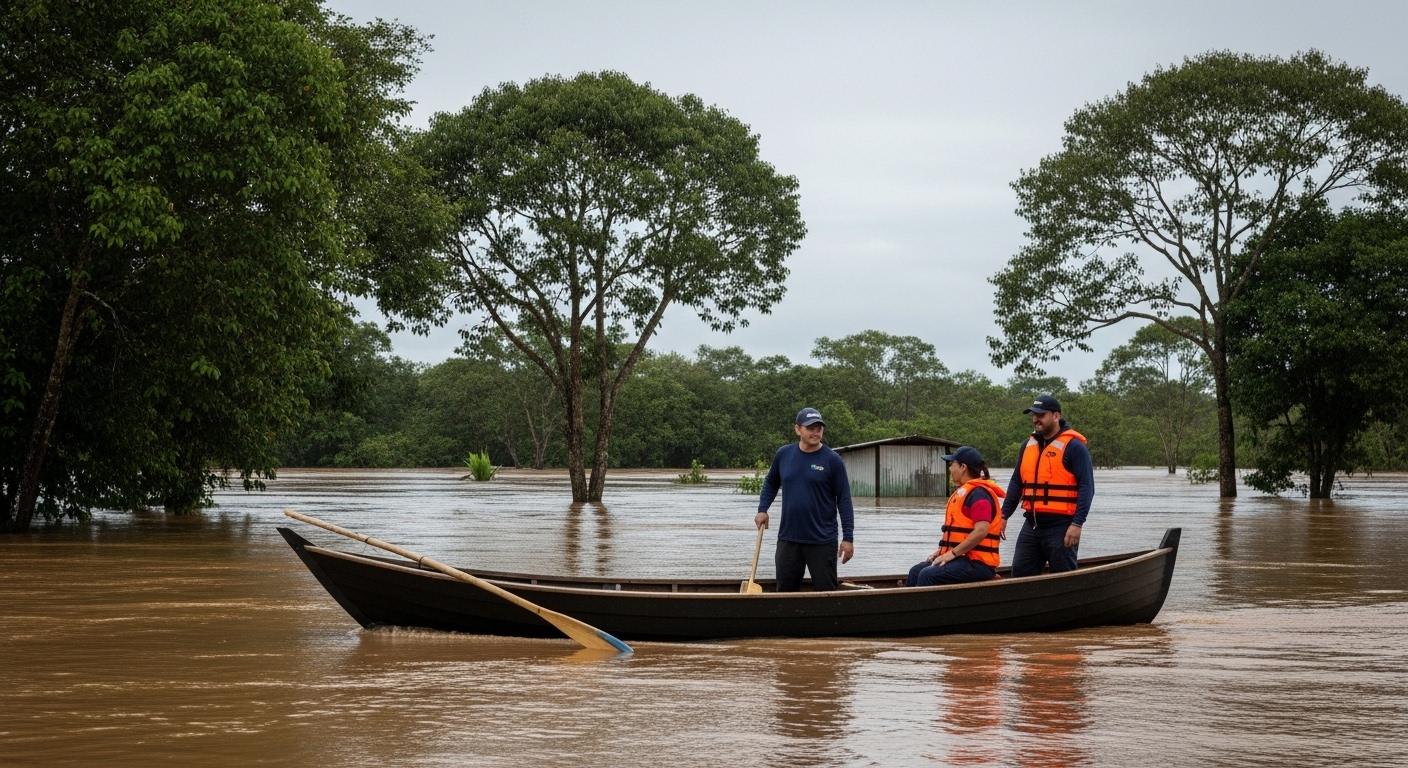
Equally important are adaptation strategies to climate variability. Regions prone to flooding may require elevated boardwalks, while drought-prone zones benefit from water-use awareness campaigns and portable purification systems. The national conversation surrounding outdoor activities Brazil should increasingly center on equitable access—ensuring that rural, peri-urban, and indigenous communities can participate in outdoor life without sacrificing cultural and ecological integrity.
Actionable Takeaways
- Plan with conservative water assumptions: carry purification methods and re-use-safe containers, even on short trips.
- Choose low-impact campsites and practice Leave No Trace principles to protect sensitive ecosystems.
- Prioritize clear local guidance: use pre-registered sites when possible and respect posted regulations on fire, noise, and waste.
- Prepare for climate variability: pack layers for humidity and altitude, plus rain gear and dry bags for gear protection.
- Support local economies: buy from community-run camps and buy locally sourced supplies to strengthen sustainable livelihoods.
- Invest in safety basics: compact first-aid kits, a reliable GPS or offline map, and a communication plan for remote areas.
- Practice water stewardship: avoid contaminating water sources, and use portable filtration when needed.
- Engage with conservation groups: participate in local cleanups and volunteer programs to help maintain trails and campsites.
發佈留言