Updated: April 15, 2026
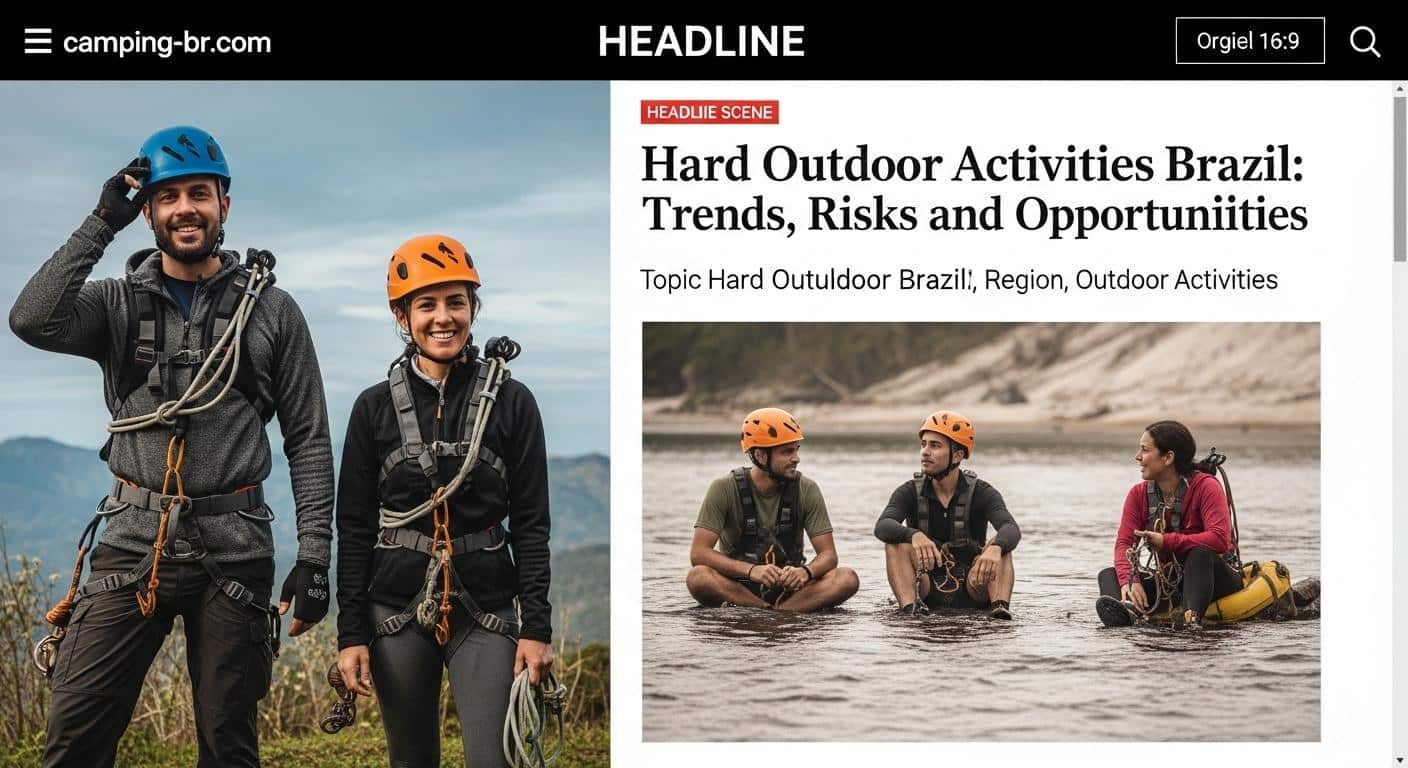
From the serras to the rivers, hard Outdoor Activities Brazil represents more than a niche sport. This feature analyzes why Brazilians and visitors are pursuing demanding treks, river crossings, and endurance challenges, and how safety, access, and local economies are adapting in response.
Market Pulse and Human Factors
Brazil’s vast and varied terrain—mountainous regions, dense forests, and expansive savannas—creates fertile ground for demanding itineraries. Urban populations, growing disposable income, and renewed interest in personal resilience are driving demand for authentic, hands-on experiences. Local guides play a critical role, not only in navigation but in risk assessment and cultural interpretation. However, the growth also raises questions about training standards, credible certifications, and consumer protection, especially for first-timers venturing into high-exertion routes.
Small businesses, gear shops, and regional tourism boards are recalibrating to support these activities. In practice, the most robust models combine guided operations with safe self-guided options, ensuring participants understand weather patterns, terrain difficulty, and contingency planning. In short, the sector’s health hinges on reliable information ecosystems, from trail condition updates to rescue accessibility.
Terrain, Gear, and the Risk Matrix
Brazil presents a spectrum of environments: mist-laden Atlantic forests, granite-dominated highlands, arid interiors, and lush river basins. Each setting imposes unique demands on equipment, navigation, and energy reserves. Markets for hard gear—sturdy tents, mountaineering ropes, and cold-weather layers—are expanding, but supply chains remain uneven across the country, challenging aspirants in remote regions.
The risk matrix for hard Outdoor Activities Brazil blends physical exposure with logistical complexity. Weather shifts can convert a mild ascent into a hazardous day, while limited access to rapid medical response in remote zones elevates the consequence of injury. Advocates emphasize careful route planning, buddy systems, and conservative pacing. Critics warn that rapid profit motives can outpace safety, underscoring the need for standardized training and transparent operator conduct.
Policy and Community Dynamics
Public lands management in Brazil intersects with community stewardship, indigenous rights, and conservation goals. Access rules—whether permit systems, quotas, or seasonal closures—aim to balance enjoyment with protecting fragile ecosystems. Community-led initiatives and co-management agreements have shown promise by aligning local benefits with environmental safeguards. Yet fragmentation among jurisdictions can create inconsistent safety norms, complicating cross-region itineraries and the scaling of services for hard activities.
Policy conversations are increasingly tethered to climate change resilience. As weather patterns become more volatile, local authorities are testing early-warning networks, rescue readiness, and infrastructure improvements such as safer trail corridors and improved signage. In the best-case scenario, policy frameworks foster sustainable growth that preserves biodiversity while enabling communities to diversify income streams through responsible adventure tourism.
Future Scenarios for Brazil’s Hard Outdoor Activities
Analysts forecast multiple futures, depending on investment in training, infrastructure, and enforcement. A conservative path prioritizes risk management, standardized certifications for guides, and improved emergency response, potentially attracting more risk-aware participants and insurers. A higher-growth trajectory might see diversified offerings—multi-day expeditions, every-season climbs, and intra-regional networks—supported by data-driven reservations and transparent safety audits.
However, climate variability could reshape the appeal of certain routes, pushing enthusiasts toward previously less-accessible corridors or prompting temporary closures during droughts or floods. The balance between adventure and conservation will shape market resilience: communities that integrate environmental safeguards with authentic storytelling are likelier to sustain participation and investment over the long term.
Actionable Takeaways
- For adventurers: invest in reputable guided trips, build a rescue plan, and practice leave-no-trace principles to protect Brazil’s ecosystems.
- For guides and operators: pursue recognized safety trainings, maintain transparent risk disclosures, and collaborate with local communities to share benefits.
- For policymakers: harmonize cross-region safety standards, improve rescue infrastructure, and incentivize sustainable gear supply chains for remote areas.
- For gear suppliers: tailor products to Brazil’s varied climates, strengthening wind- and water-resistance while keeping gear accessible to regional markets.
Source Context
From an editorial perspective, separate confirmed facts from early speculation and revisit assumptions as new verified information appears.
Track official statements, compare independent outlets, and focus on what is confirmed versus what remains under investigation.
發佈留言