Updated: April 15, 2026
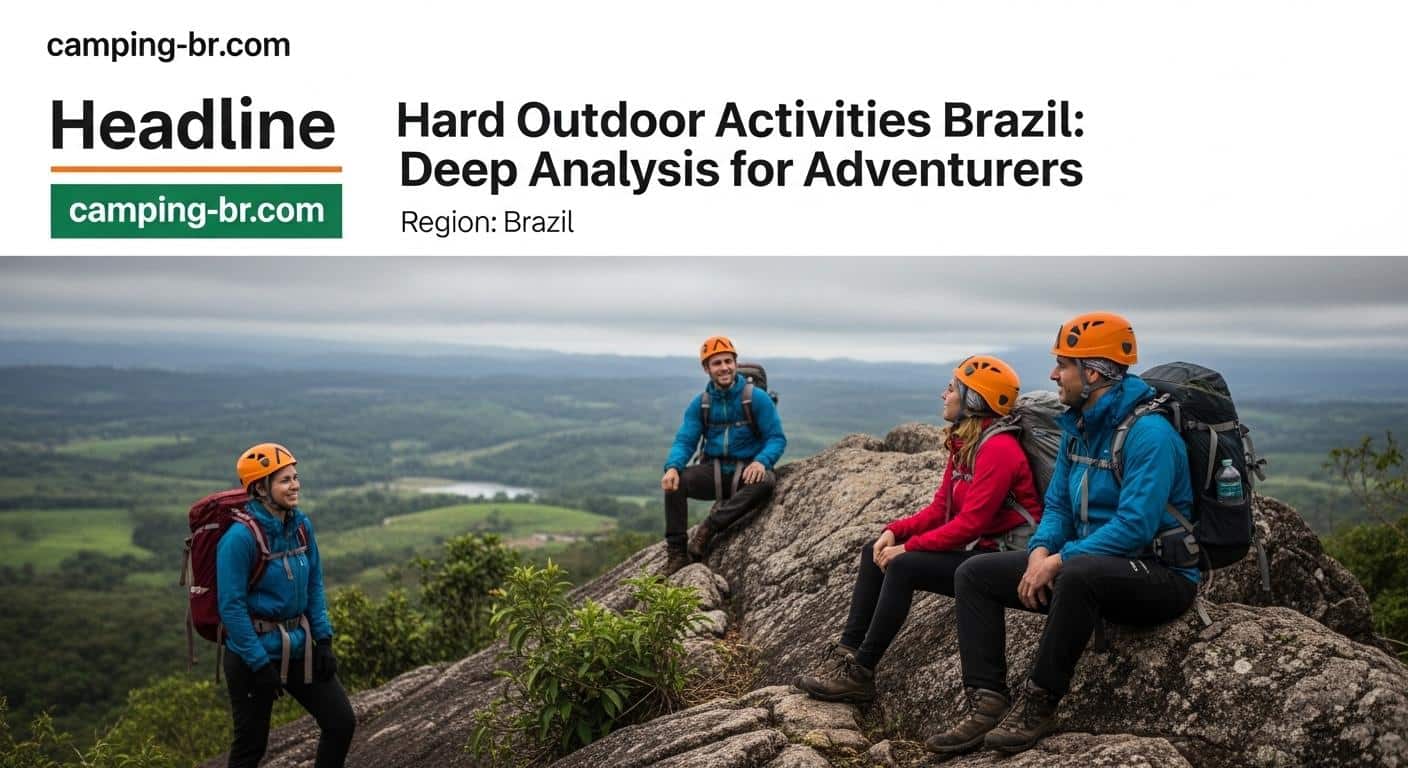
In Brazil’s wild landscapes, a growing cohort of outdoors enthusiasts is pursuing hard Outdoor Activities Brazil, shifting adventure planning from casual weekend trips to multi-day, capability-demanding itineraries. The trend is reshaping the economics of gear, guides, and regional tourism, while exposing gaps in safety, training, and infrastructure that policymakers and industry players must address.
Market Signals and Micro-Trends in Hard Outdoor Activities Brazil
Brazil’s varied topography—from alpine-like ranges in the south to arid canyons in the northeast—creates niches for diverse hard outdoor activities. Demand for durable tents, robust cooking systems, and precision navigation tools has grown, supported by a surge in guided expeditions, community camps, and rental models that distribute risk and reduce upfront costs. Urban centers spawn a new generation of athletes who combine structured training with route planning apps, blending local cultural knowledge with international safety norms.
The gear ecosystem is expanding beyond traditional retailers to include small, regional brands that emphasize modular gear and repairable components. This shift reduces single-use waste and aligns with conservation-minded attitudes seen in Brazil’s adventure communities. Meanwhile, tourism operators increasingly coordinate with conservation groups to balance access with habitat protection, signaling a market that values sustainability alongside performance.
Safety, Training, and Risk Management in Hard Outdoor Activities
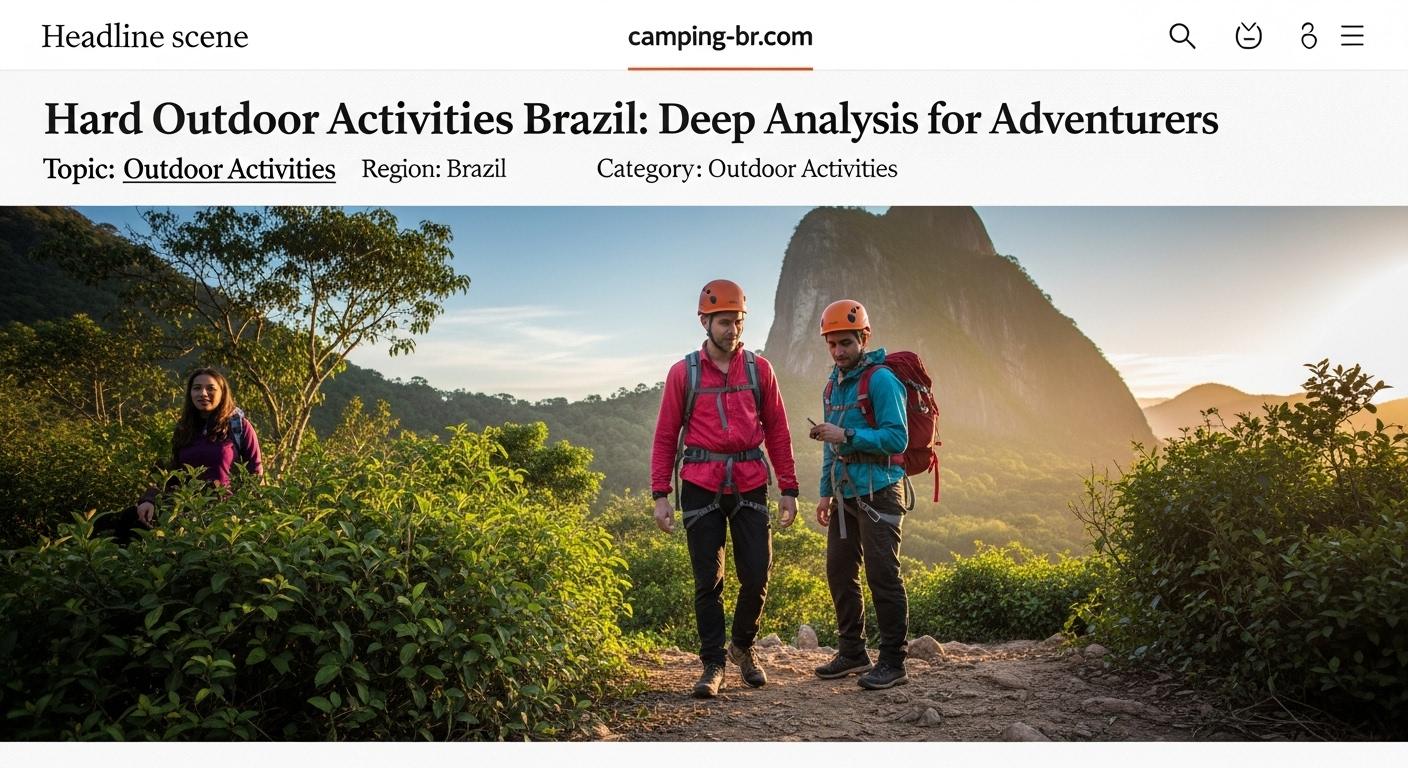
When the line between a routine trek and a high-risk ascent narrows, preparation becomes decisive. Brazil’s remote zones—from the Serra do Mar to the Chapada Diamantina—present weather variability, rocky terrain, and limited emergency services. Providers offering safety briefings, hands-on skill sessions, and rescue-ready equipment reflect a maturing market. Yet formal training reach remains uneven outside major cities, which means many expeditions rely on experiential knowledge, peer networks, and cautious decision-making to manage risk.
Organized trips increasingly incorporate risk assessments, buddy systems, and checklists that cover gear integrity, water sourcing, and exit strategies. The result is a pragmatic, if uneven, standard of care that improves with experience and local stewardship. For Brazil to expand hard outdoor activities responsibly, investment in regional training hubs and standardized certifications will matter as much as stronger rescue infrastructure.
Infrastructure, Access, and Gear Ecosystem
Access to dependable camping sites, trailheads, and repair facilities remains a bottleneck for ambitious itineraries. Public lands provide vast opportunity, but their management regimes vary by state and municipality, influencing permits, quotas, and seasonal closures. Private operators fill some gaps with guided trips, gear rental, and logistics support, yet regional disparities persist. The gear ecosystem mirrors this split: sophisticated international brands appeal to urban buyers, while local workshops offer repair services and modular components that extend gear life. Road quality, signage, and mobile connectivity can determine whether a route becomes a routine or a cautionary tale.
Policy Signals and the Path Forward for Enthusiasts
Policy choices at federal, state, and local levels shape where Brazilians and visitors can push their limits. Environmental protections, land-use planning, and funding for search and rescue influence site viability and safety outcomes. Progressive operators advocate for community partnerships, public-private investments in trail maintenance, and standardized safety training that travels across regions. A balanced approach—one that preserves ecosystems while enabling responsible access—appears as the most plausible path toward broader participation in hard Outdoor Activities Brazil.
Actionable Takeaways
- Invest in formal safety training and emergency planning before attempting high-risk trips.
- Forge partnerships with local guides and communities to ensure responsible and sustainable access.
- Plan around seasonal patterns, weather variability, and terrain-specific challenges.
- Prioritize Leave No Trace practices and risk-aware decision-making in all trips.
- Bundle insurance, equipment maintenance, and pre-trip risk assessments into every expedition.
Source Context
For background on related market and exploration trends, consider these articles:
From an editorial perspective, separate confirmed facts from early speculation and revisit assumptions as new verified information appears.
Track official statements, compare independent outlets, and focus on what is confirmed versus what remains under investigation.
For practical decisions, evaluate near-term risk, likely scenarios, and timing before reacting to fast-moving headlines.
發佈留言