Updated: April 15, 2026
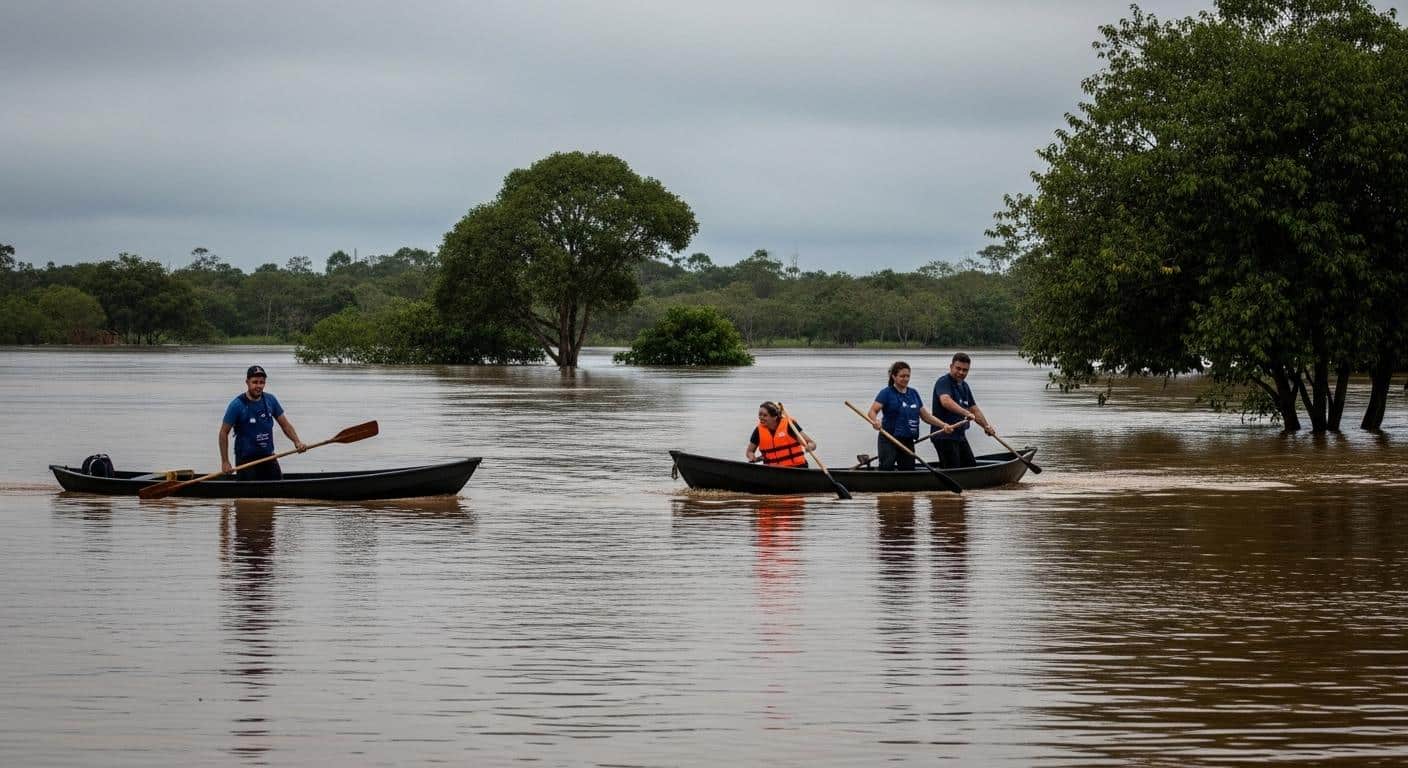
The Brazilian rainy seasons remind campers that outdoor life is deeply connected to natural water cycles. The phrase floods Outdoor Activities Brazil captures a growing reality: seasonal floods are not just headlines; they shape trip planning, gear choices, and safety calculations for river campsites, long trails, and forested campsites across the country.
Context: Floods and Outdoor Recreation in Brazil
Brazil’s diverse landscapes—coastal Atlantic forests, highland plateaus, and interior river basins—experience heavy rainfall during wet seasons. When storms intensify, rivers can rise rapidly, and floodwaters spill into campsites, trails, and park access roads. These events affect not only campers but also local guides, park managers, and ecotourism operators who rely on predictable conditions. While Brazilian authorities issue alerts during extreme conditions, the dynamic nature of floods—driven by weather systems, soil saturation, and land-use patterns—means planning must account for rapid change. The broader context links climate variability to real-world consequences for outdoor activities, including the need for updated safety guidelines and flexible itineraries for weekend trips and longer expeditions.
Risk Landscape for Campers
In river valleys and floodplains, a routine lakeside or riverbank campsite can become a hazard after sustained rain or a sudden downpour. Flash floods can arise from steep terrain and small catchments, sweeping away tents, gear, and even hikers who are not off the ground quickly enough. Forested areas can also harbor hazards: saturated soils increase the risk of landslides on hill slopes, and saturated roadbeds can cut off access to trailheads. For campers, the risk is compounded by limited mobile connectivity in remote sites, meaning warnings and evacuation orders may arrive late. These dynamics underscore a key point: the outdoors in Brazil during rainy periods presents both opportunity and risk, and safety hinges on timely information, clear decision rules, and the willingness to adapt plans on short notice.
Planning and Gear for Brazilian Trips
Effective planning starts before departure. Check reliable forecasts from national weather services and local park authorities, and establish a watch schedule for the area. Choose campsites with higher ground, natural drainage, and clear escape routes, avoiding low-lying river terraces and areas beneath overhanging trees that could shift with saturated soils. Pack smarter: waterproof dry bags, compressed tents with robust guy-lines, and a shelter plan that can double as protection from rain and wind. Keep communication devices charged and stored in waterproof cases, and carry a simple emergency whistle, a lightweight tarp, and a compact first-aid kit tailored for minor injuries and weather exposure. When traveling with groups, assign responsibilities for weather monitoring, route changes, and check-ins with someone off-site. Additionally, map out two alternate shelters or reachability points along the route in case a flood surge closes a path. If you rely on water crossings, carry a lightweight rope and practice safe crossing techniques away from swollen channels. Above all, cultivate a culture of pause: the decision to delay or alter a trip is not a setback but a prudent choice to preserve safety and the long-term enjoyment of outdoor activities.
Case Scenarios: Practical Framing for Decisions
Scenario A: You arrive at a riverside campsite after days of rain. The river is rising, the ground feels soft, and your planned sequence of days may need to shift to higher ground or a nearby park facility. In this situation, you implement your pre-arranged evacuation triggers: if water encroaches within a certain distance of tents or if forecasted rainfall exceeds a threshold, you relocate to the nearest higher ground or shelter. Scenario B: You are on a multi-day trek through a hilly region where streams begin to swell after a storm. Instead of pushing forward, you assess route viability, identify safer crosspoints, and switch to an upper-slope camp or return to a trailhead with established evacuation access. These frames are not mere hypotheticals; they reflect the realities campers face when changes in weather, soil saturation, and terrain create new risk contours. The discipline of scenario-based planning is particularly valuable for Brazil’s diverse environments, where conditions can pivot quickly from inviting to perilous, depending on microclimates and local rainfall patterns.
Actionable Takeaways
- Monitor reliable weather updates from INMET and local park authorities and adjust plans 2–3 days in advance.
- Avoid camping on floodplains, river terraces, or near watercourses that show signs of recent scouring or drift lines.
- Select campsites on higher ground with natural drainage and clear egress routes; mark exit points in your map or app.
- Store gear in waterproof containers, use a durable ground tarp, and keep vital items (navigation, lighting, communication) in easily accessible waterproof pouches.
- Establish a pre-planned evacuation protocol with your group, including a designated lead, a communication plan, and two backup shelters or return routes.
- Have a basic water safety plan: assess crossing viability, avoid crossing swollen streams, and never cross after heavy rainfall without a clear, safe path.
- Consider postponing non-essential trips during peak flood seasons or in areas known for flash floods and landslides.
Source Context
For readers seeking further background on flood dynamics and outdoor safety, see the following sources:
發佈留言