Updated: April 15, 2026
The phrase floods Outdoor Activities Brazil has moved from a niche caution to a mainstream planning concern for campers and hikers as rainfall patterns intensify across the country. This analysis traces how floods alter popular camping routes, shape risk management, and force communities to adapt when water rises faster than historical seasonal norms.
Weather risks reshape outdoor life in Brazil
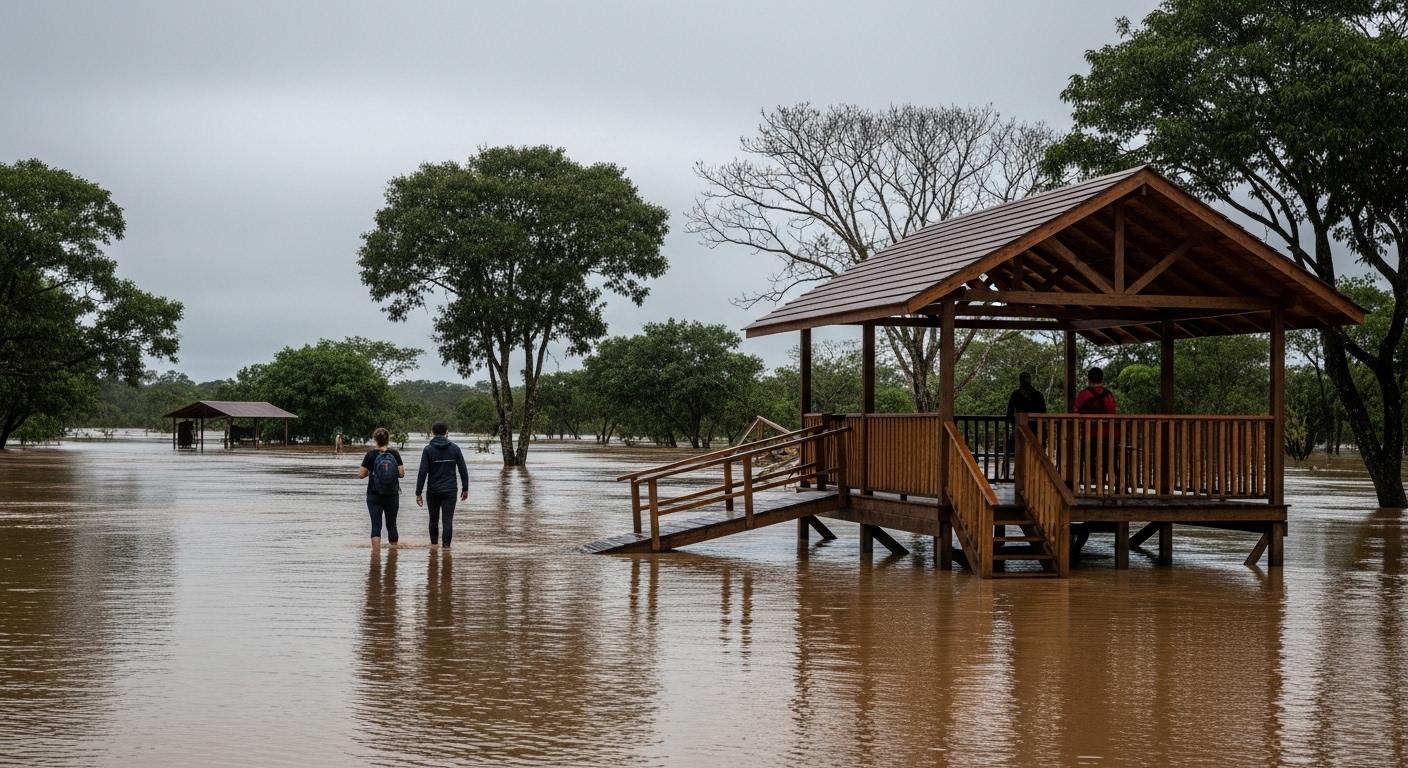
Across Brazil, heavy rainfall events have become a recurring headline in both urban and rural areas. Scientists note that climate variability is manifesting as longer wet seasons in some regions and more intense peak storms in others. When deforestation reduces the land’s capacity to absorb rain, runoff increases, sending rivers and streams to higher levels with little warning. For campers, this means that traditional lakeside sites, river crossings, and forest clearings can suddenly become hazards or cut off routes, even during what locals once considered predictable seasons. The consequence is not just occasional cancellations; it is a rethinking of trip timing, shelter placement, and emergency readiness. Community leaders warn that flood risk is not evenly distributed: regions along major rivers, floodplains, and fast-moving coastal rivermouths demand heightened vigilance and flexible itineraries.
Adaptation looks different if you are a weekend camper versus a local guide who runs multi-day expeditions. Those with experience in river navigation emphasize the value of real-time weather monitoring, local advisories, and pre-arranged shelter options that can be reached without crossing floodwaters. For urban-adjacent campers, the same rainfall can overwhelm drainage systems, create sudden mudslides, or seal off access points to popular trails. The causal chain is clear: more intense rain increases flood exposure, and infrastructure limitations in rural and peri-urban areas amplify the danger even for well-prepared travelers.
Camping during floods: safety, gear and planning
Safety starts with advance reconnaissance. Before any trip, check credible forecasts, flood maps, and river levels published by local civil defense or meteorological services. Have a clear plan A and plan B—an alternate campsite on higher ground, a nearby shelter, or a safe-haven location accessible by road if the river swells overnight. Portable shelter decisions should favor ground that stays dry after storms, elevated platforms when available, and a rain plan that keeps essential gear off the damp ground. Gear choices matter: waterproof tents rated for heavy rain, sealed bags or dry sacks for clothing, and emergency kits including thermal blankets, a compact first aid kit, and a reliable whistle. For crossings and freshwater foraging, use caution: never step into fast-moving water, and avoid camping directly beneath cliff faces or slopes prone to sudden runoff.
Beyond personal gear, practical trip design matters. Map out multiple exit routes, identify the nearest evacuation points, and maintain contact with a designated support person who knows your itinerary. Local guides with flood-season experience often know which river bends carry the least risk at dusk and which campsites tend to retain higher ground. Respect for land and wildlife remains essential; during flood events, sensitive habitats and protected zones can be reclassified as temporarily restricted, and adherence to those boundaries protects both people and ecosystems.
Economic and community resilience in flood-prone regions
Floods not only reshape individual trips; they influence a region’s economy and social fabric. In many areas, family-run camping businesses, river guides, and gear shops rely on predictable seasonal patterns. When floods truncate peak seasons or erase popular routes, communities must pivot quickly—expanding safety training for staff, diversifying offerings to include day trips or dry-season activities, and investing in infrastructure that raises resilience, such as elevated platforms, improved trails, and early-warning signage. Public-private partnerships can play a decisive role, coordinating weather alerts with tourism promotion and safety drills so that visitors and residents alike understand what constitutes a safe window for camping and when to postpone it. In the long run, resilient camping systems depend on accurate data, transparent communication, and investment in local capacity to respond to flood events without eroding outdoor culture.
Actionable Takeaways
- Always verify updated forecasts and flood-stage information before traveling to rivers or floodplains.
- Choose campsites on higher ground with clear escape routes and avoid low-lying valleys near watercourses.
- Pack waterproof gear, dry bags, thermal blankets, a compact first-aid kit, and a reliable communication device with spare batteries.
- Coordinate with local guides and respect area advisories; have a flexible itinerary that can shift with weather patterns.
Source Context
Contextual links to recent reporting and industry perspectives:
發佈留言