Updated: April 15, 2026
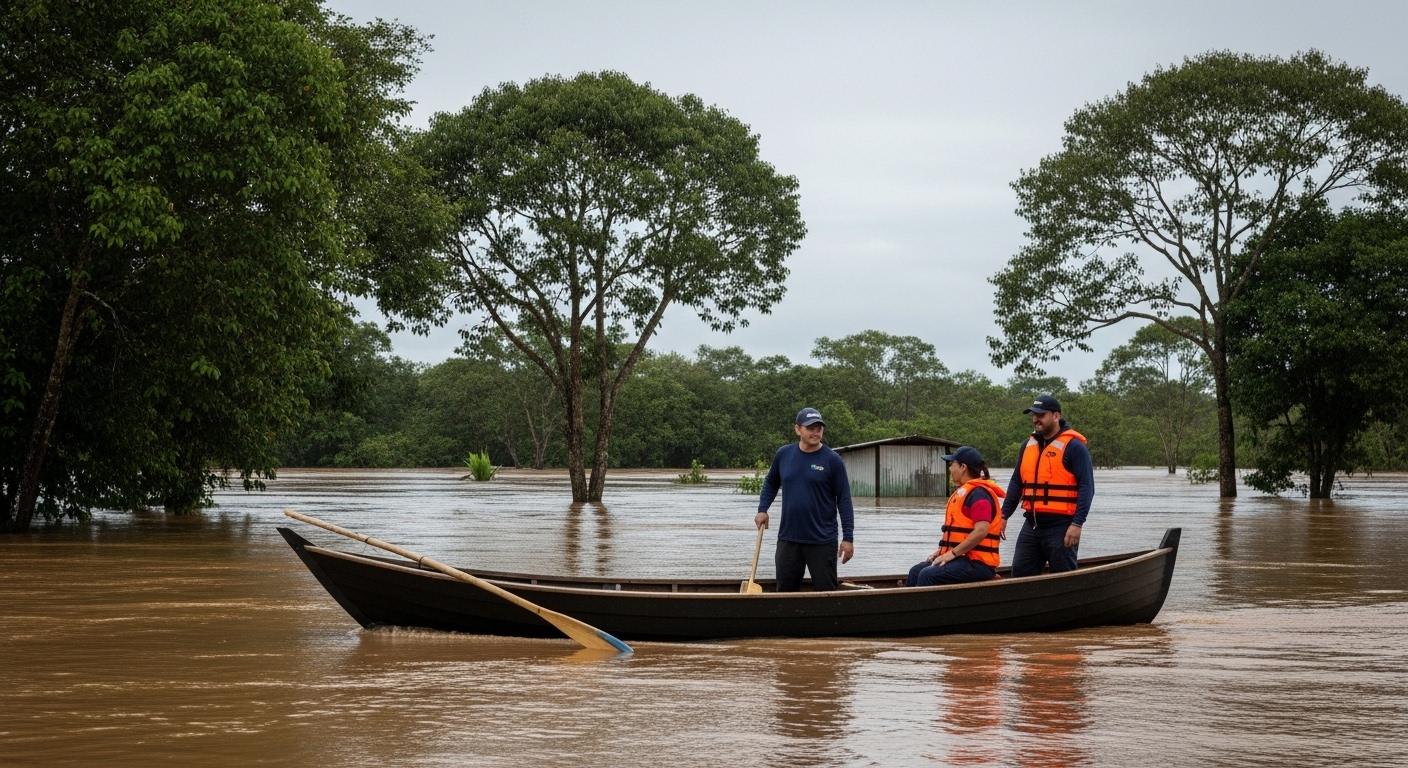
The floods Outdoor Activities Brazil phenomenon is reshaping how Brazilians plan weekends in the hills, by rivers, and along coastal trails. As rainfall spats intensify and floodplains shift, campers face new constraints and new opportunities for connecting with nature. In this analysis, we examine not only the weather numbers and risk maps, but how families, clubs, and park authorities adapt their routines, gear choices, and decision-making when the next surge arrives. The goal is practical guidance rooted in recent events, with a focus on safety, resilience, and informed recreation in a country where outdoor life sits at the intersection of climate, geography, and culture.
Context: climate, geography, and the changing flood burden
Brazil’s vast river systems and varied climates create a mosaic of outdoor opportunities and risk. In the southeast, where many popular camping areas lie near rivers and reservoirs, heavy rainfall can transform a weekend trip into a rescue scenario within hours. Climate patterns over the past decade have shown more intense downpours during the traditional wet season, while some communities report slower water receding after storms. For outdoor enthusiasts, this means shorter planning windows, more volatile access routes, and a growing need to read forecasts, not just scenic maps.
Seasonal flood cycles interact with land-use decisions. Deforestation in catchment areas accelerates runoff, and urban drainage often concentrates water into drainage channels that can overwhelm roads and trails. The result is a higher incidence of campsite inundation, muddy approaches, and, occasionally, flash floods near popular detours or trailheads. The practical takeaway for campers is to treat rainfall and river levels as co-equals in trip planning—weather alerts, water levels, and land-use changes all matter.
Causes and cascading risks for campers
Beyond the meteorological event itself, a cascade of factors increases risk for outdoor recreation. Prolonged rain saturates soil, undermines tent foundations, and can trigger small landslides along exposed slopes. When rainfall is concentrated over days, access roads to remote campsites can close, leaving hikers stranded or forced to backtrack. In urban-adjacent camping zones, overflowing drainage systems can flood access routes and parking areas, complicating safe evacuation or rescue if needed. For club leaders and guides, the pattern demands redundant planning: alternative routes, backup water sources, and clearly communicated warning thresholds for clients.
As with any flood-prone region, information reliability matters. Local authorities may issue flood watches or river-crest alerts, while park rangers publish safety advisories. Campers who rely on outdated maps or generic weather forecasts are more likely to misjudge when a site becomes unsafe or inaccessible. The risk is not only personal injury; it is also the potential loss of equipment, time, and the value of a planned outdoor experience.
Impacts on camping and recreation
When sites close or are re-sited due to flood risk, the camping calendar shifts. Popular riverside campsites can lose their peak-season traffic, accelerating demand for inland, higher-ground alternatives. Gear retailers report ongoing interest in waterproof backpacks, seam-sealed tents, and compact emergency kits, indicating that preparedness is now an expected part of a Brazil-based outdoor habit rather than a niche precaution. Public parks and private campsites increasingly incorporate flood risk into their booking policies, modify trail signage, and coordinate with local emergency services to speed evacuations if necessary.
At the community level, sustained flood events can alter the social fabric of outdoor clubs. Members share real-time route updates, swap safe camping locations, and fundraise for equipment or shelter infrastructure that helps communities weather flood episodes. For families and first-time campers, the experience underscores a core lesson: nature in Brazil remains generous but has no obligation to wait for a perfect weather day. Respect for water dynamics and local guidance is part of responsible outdoor culture.
Adaptation and preparedness for outdoor lovers
Adaptive camping starts with site selection. Look for campsites on higher ground, with good drainage soils and clear upstream drainage paths away from flood-prone zones. Pack weather-ready gear: seam-sealed tents, groundcloths, dry bags, emergency blanket, headlamp, and a compact shelter for sudden rain. Navigation matters when trails wash out: offline maps, a plan for day trips with turn-back points, and a pre-arranged check-in cadence with someone outside your group are prudent practices. Water safety becomes a priority when flows rise; carry purification means and minimize drinking from uncertain sources during floods.
Trip planning now includes dynamic risk assessment. Before departing, verify forecast updates, river levels, and road closures; share itineraries with a trusted contact; and identify escape routes or bail-out points near your intended site. In the field, a buddy system, clear signaling, and accessible first-aid knowledge reduce response time in emergencies. Finally, responsible recreation means leaving no trace and respecting local restrictions that may change with flood conditions. In many municipalities, park managers and local authorities are integrating flood risk into planning and issuing alerts via apps, radios, and signage—campers should check these channels ahead of trips.
Actionable Takeaways
- Check local flood forecasts and river levels 48 hours before departure; adjust plans if crest levels are near your site.
- Choose campsites on higher ground with good drainage and map multiple exit routes in case routes flood or wash out.
- Pack a weather-ready kit: seam-sealed tent, dry bags, emergency blanket, headlamp, and a compact shelter for sudden rain.
- Use offline maps and share your itinerary with a friend or family member who can monitor progress remotely.
- Respect local advisories and park policies; when in doubt, postpone or relocate to a safer area and coordinate with authorities or guides.
Source Context
Contextual background and related discussions drawn from current reporting and outdoor industry trends.
- Floods ravage southeastern Brazil, kill 46 as rescuers race to find missing — The Tribune-Democrat
- Hard Ground Tent Stake Hammer Market Size, Share & Forecast to 2036 — Fact.MR
- Visit Herefordshire Launches a Free App to Enhance Outdoor Exploration and Tourism, Everything You Need to Know — Travel And Tour World
發佈留言